Key Insights
Passive fire protection for WA projects require a disciplined, system-driven approach supported by verified test evidence, particularly across commercial offices, education facilities, healthcare buildings and public infrastructure throughout Western Australia.
Unlike active fire systems that depend on detection or mechanical activation, passive fire protection is integrated into the building fabric. Its function is to contain fire within compartments, preserve structural stability and maintain compliant egress conditions for the nominated Fire Resistance Level (FRL).
The Complete Guide to Passive Fire Protection in WA Commercial Buildings
For architects, engineers, contractors and certifiers, compliance is not achieved through standalone product selection. It is achieved through the specification and installation of tested systems that precisely align with the substrate, service configuration and installed conditions on site.
What Is Passive Fire Protection?
Passive fire protection is the collection of building elements that resist the spread of fire and smoke without mechanical activation.
It includes:
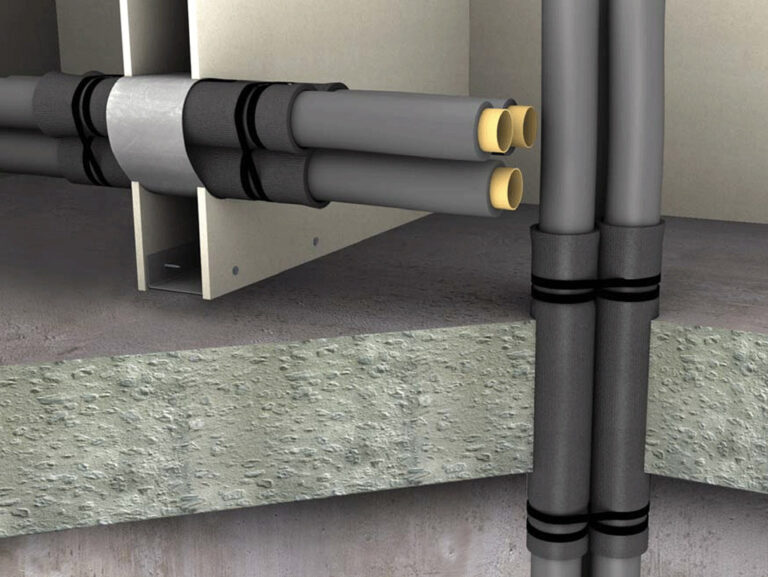
- Fire stopping solutions for service penetrations
- Fire rated board systems for wall and ceiling protection
- Fire collars and wraps for plastic pipes
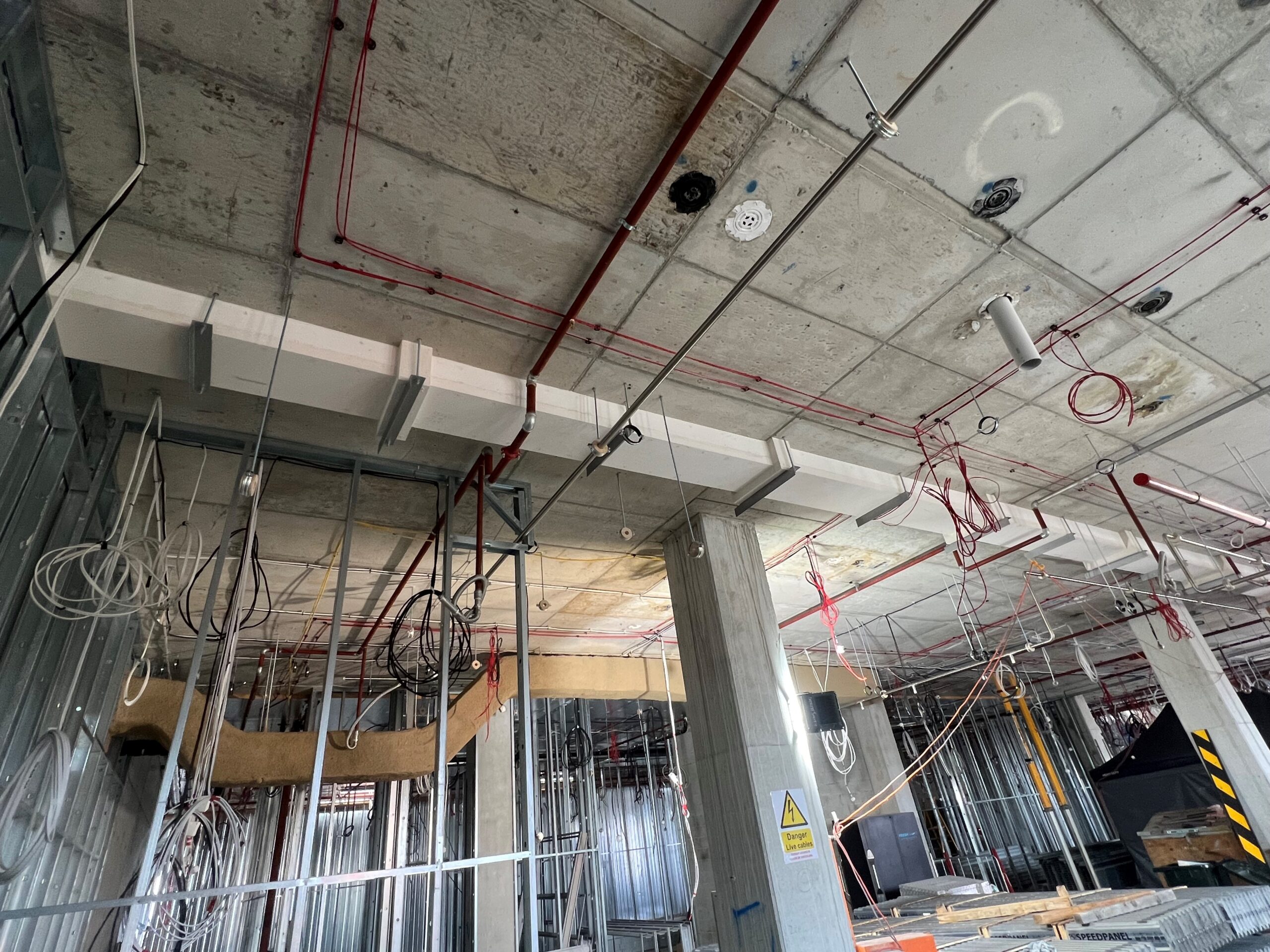
- Penetration sealing systems for cables and mixed services
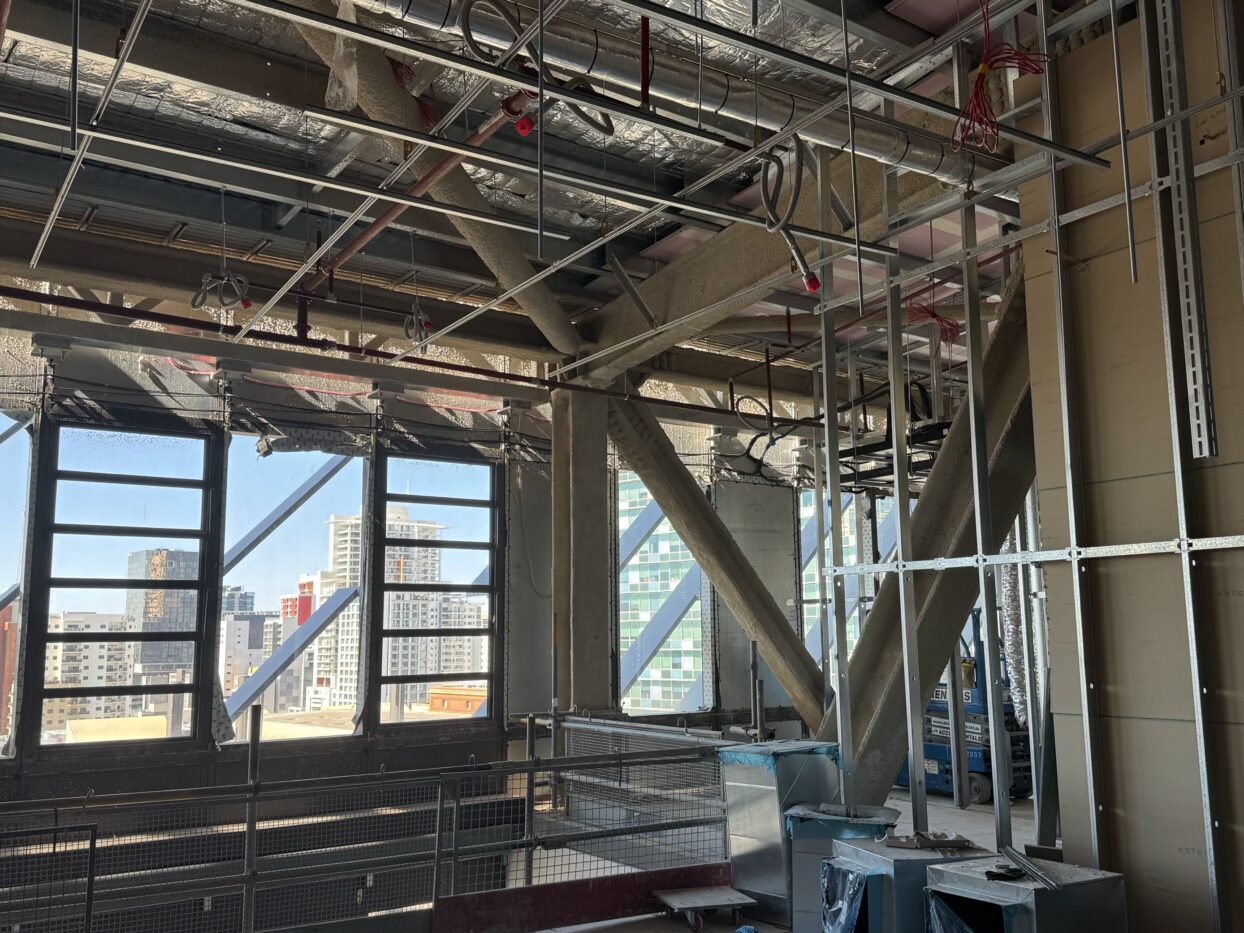
- Fire protection sprays for structural steel
The objective is to preserve compartmentation and maintain the FRL of walls, floors and structural elements in accordance with the NCC and project specifications.

Why Passive Fire Protection Matters in WA
Commercial buildings in WA, particularly multi-storey offices, hospitals, schools and mixed-use developments, rely on correctly specified and installed passive systems to:
- Prevent fire spread between compartments
- Protect structural steel from premature failure
- Maintain safe egress paths
- Demonstrate compliance through tested evidence
System selection must align precisely with substrate type, service configuration, opening size and required FRL. Deviation from tested details compromises compliance.
Fire Stopping WA: Penetration Sealing Explained
When services pass through fire-rated walls or floors, the opening must be sealed with a tested fire stopping system that restores the original FRL.
Plastic Pipes and Fire Collars
Plastic pipes soften and collapse under fire conditions. Intumescent fire collars and wraps expand when exposed to heat, sealing the opening and maintaining compartment integrity.
Correct selection depends on pipe material, diameter, wall or slab type and FRL requirement.
Cable and Mixed Service Penetrations
Metal pipes and cable trays require fire-rated sealants, mortars or coated batt systems depending on the configuration.
Mixed services are commonly treated using fire rated board systems combined with approved sealants to accommodate multiple penetrations within a single opening.
System selection must reference tested documentation from Promat Australia and align exactly with the installed condition.

Fire Rated Board Systems
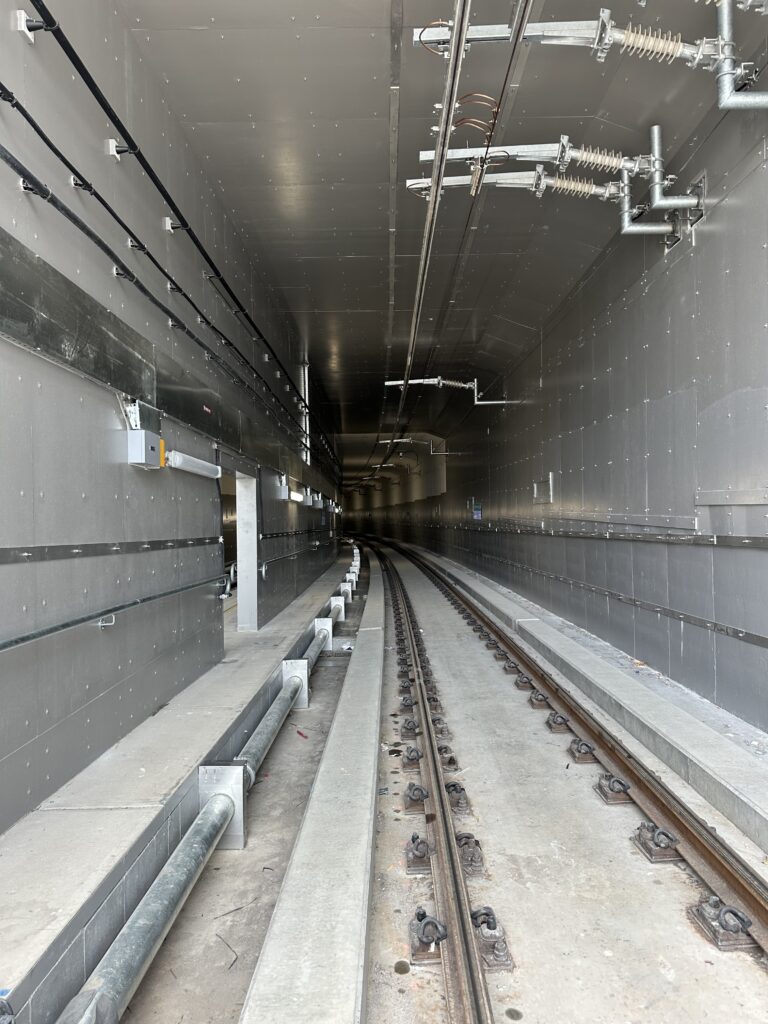
Fire rated board systems are used to protect structural elements, construct fire-rated walls, ceilings and enclose service risers and shafts.
Promat systems, supplied by Progressive Materials, are tested to achieve specific FRLs when installed in accordance with published details. Performance is dependent on fixing centres, framing configuration and board thickness, substitution or variation without assessment invalidates compliance.
Fire Protection Sprays for Structural Steel
Fire protection sprays are applied directly to structural steel to provide the required FRL. These systems are commonly specified where exposed steel elements must achieve compliance without bulky encasement.
Correct thickness and substrate preparation are critical to performance and certification.
Promat Systems WA: A System-Based Approach
Progressive Materials supplies and supports Promat systems through specification guidance, product supply and technical coordination, delivering Passive Fire Protection in WA commercial buildings.
Promat passive fire protection systems are tested and assessed configurations, not generic materials.
Compliance relies on:
- Matching site conditions to tested system details
- Maintaining exact installation parameters
- Using approved components within the system
- Retaining documentation for certification
Early coordination between architects, hydraulic engineers, electrical consultants and fire engineers reduces late-stage redesign and on-site non-conformance.
Specification Guidance for Architects & Engineers
For specifiers, passive fire protection Perth projects should be documented at system level, not product level.
Key considerations include:
- Required FRL for each element
- Substrate type (concrete, masonry, plasterboard, steel)
- Service type and diameter
- Movement requirements
- Future service additions
Spec packs and tested details from Promat systems WA should be incorporated directly into documentation to reduce uncertainty.
Procurement Guidance for Contractors & Installers
For contractors, procurement should focus on tested systems rather than lowest-cost material substitution.
Before installation, confirm:
- System ID and test reference
- Compatibility with actual service layout
- Installation sequence coordination
- Inspection and documentation requirements
Penetration sealing that differs from the tested or assessed configuration may require additional independent assessment before installation. This adds time and cost to projects.
Compliance and Evidence Pathway
Passive fire protection compliance is demonstrated through documented evidence.
This includes:
- Test reports
- Assessment reports
- Installation records
- As-built verification
System-based selection ensures alignment between design intent, installed condition and certification documentation.
Final Considerations for WA Commercial Projects
Passive fire protection is not a late-stage trade. It is a coordinated building system that must be integrated early.
Correct fire stopping WA solutions, fire collars, fire rated board systems and fire protection sprays must be selected based on tested evidence and installed in strict accordance with published system details.
For commercial projects across Perth and WA, early technical engagement reduces risk, protects compliance and ensures long-term building safety.
Need Specification Support or System Guidance?
For technical documentation, specification support or project pricing relating to Promat passive fire protection systems in WA, contact Progressive Materials to request detailed system information, specification packs or project-specific advice.