Key Insights
For suppliers like Progressive Materials, this year has reinforced the importance of adaptable systems, consistent documentation, and practical on site support. These lessons are shaping how the industry prepares for 2026.
End of Year Wrap Up: Lessons from Major Fire Protection Projects in 2025
Lessons from Major Fire Protection Projects in 2025.
As 2025 comes to a close, commercial fire protection projects across Australia have revealed clear shifts in how passive fire protection is being specified, coordinated, and delivered. Architects and builders are approaching fire protection earlier in the design process, with a stronger focus on clarity, compliance, and long term performance.
What changed in commercial fire protection projects during 2025?
One of the biggest changes in 2025 was how early fire protection conversations started. Passive fire protection is no longer treated as a late stage compliance item. Instead, it is being integrated alongside structure, services, and finishes from the outset.
This shift was driven by tighter certification expectations, clearer accountability, and growing awareness of how poorly coordinated fire protection can delay occupancy. As a result, architects and builders increasingly relied on complete passive fire protection systems rather than individual products.
Progressive Materials responded by supporting projects with coordinated product ranges across Promat passive fire protection, helping teams maintain consistency from design through to installation.
Why has passive fire protection become more central to project planning?
Passive fire protection products play a critical role in compartmentation and life safety. In 2025, specifiers placed more emphasis on systems that maintain fire integrity without adding complexity.
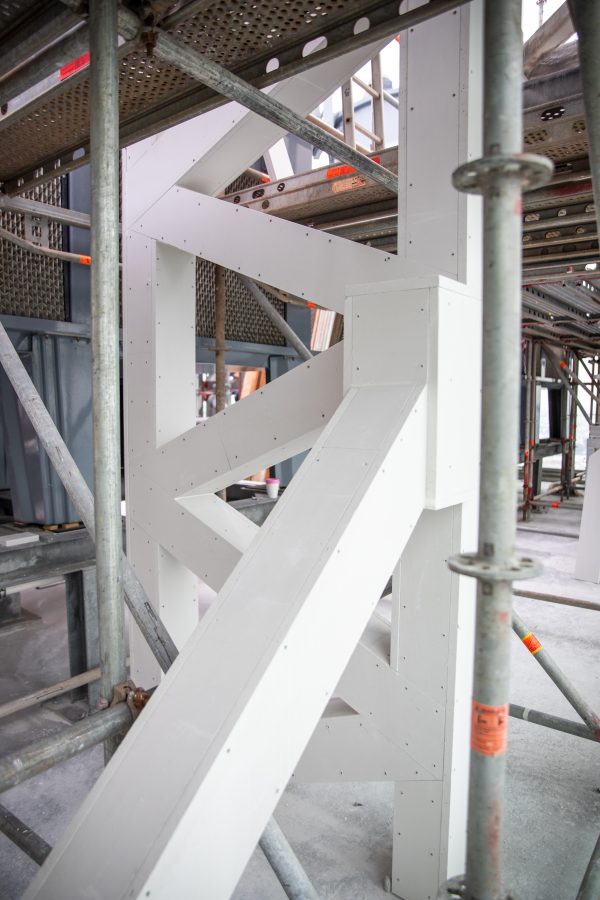
Fire rated board systems were frequently specified to protect structural elements and service risers, especially in healthcare and education environments. These systems helped streamline approvals while delivering predictable performance.
Learn more about fire rated board systems used in modern commercial projects.
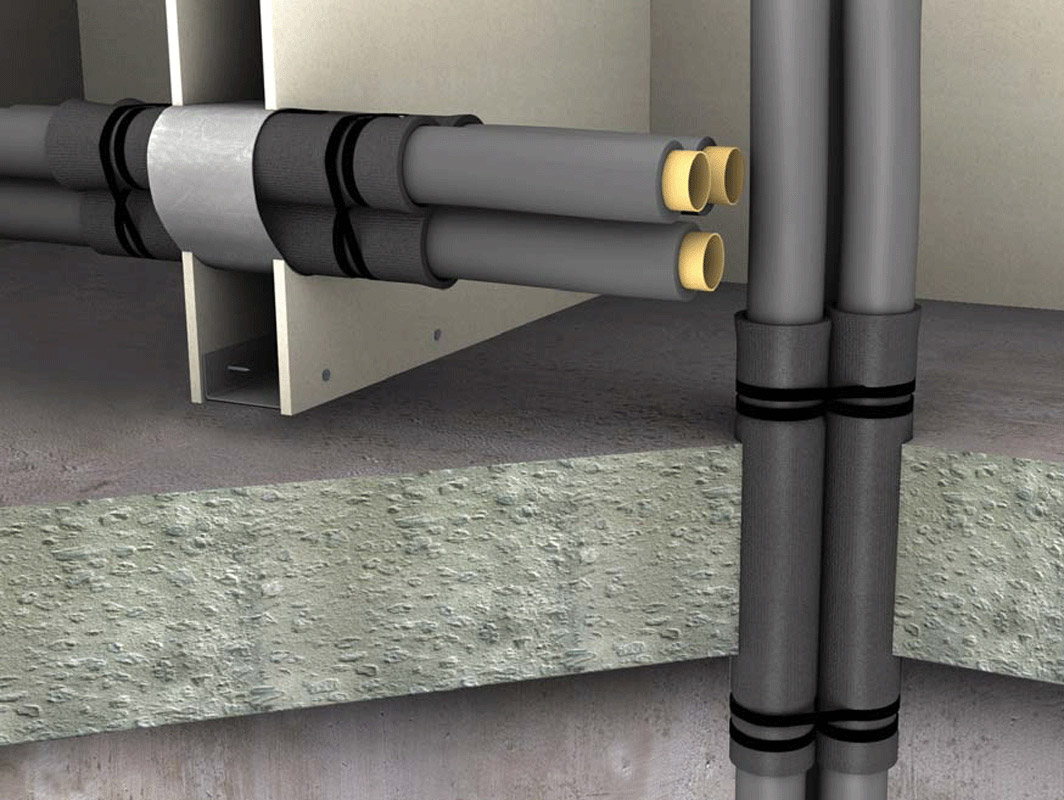
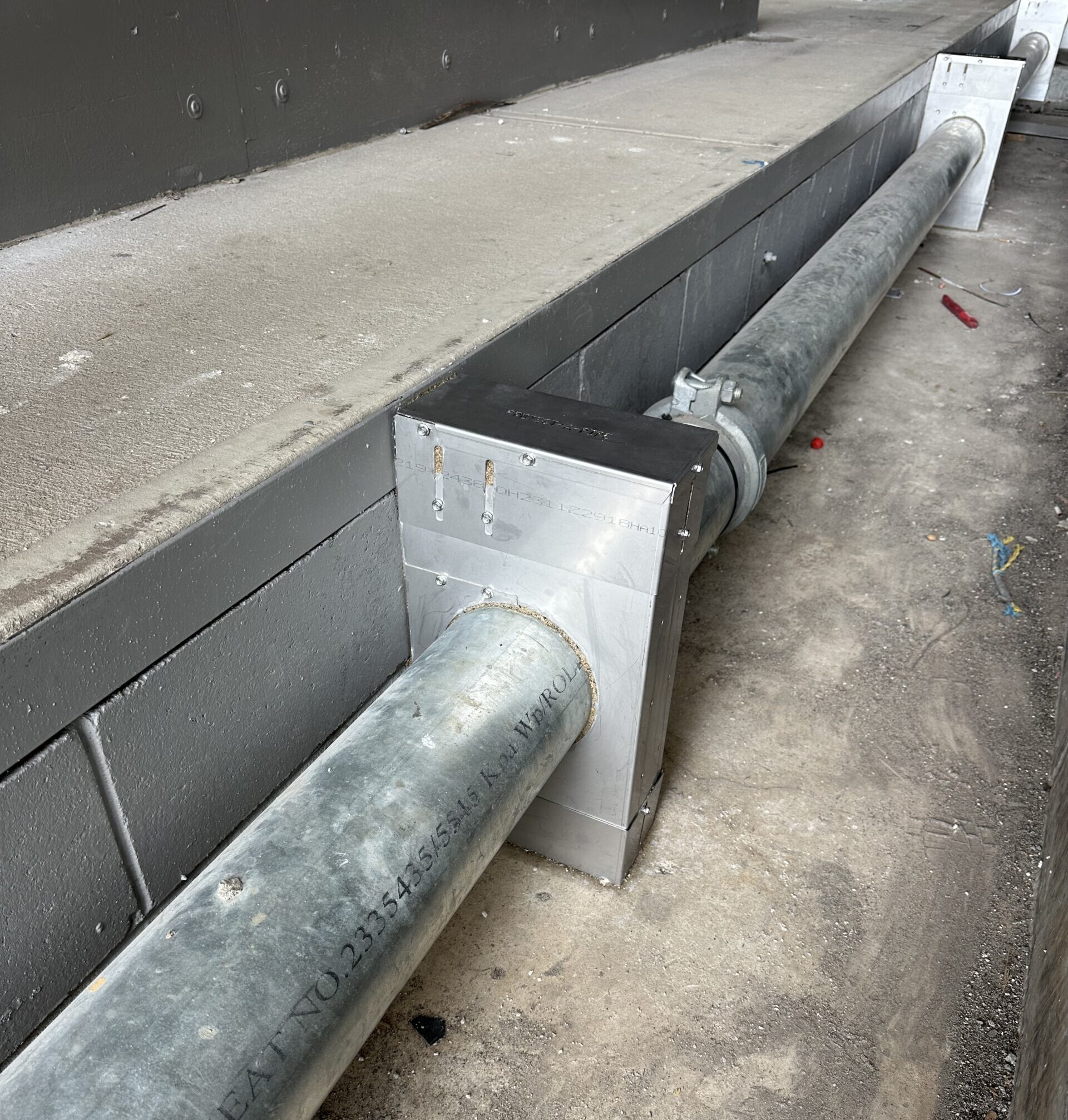
At the same time, fire collars and penetration sealing were treated as design critical elements rather than minor details. Correctly specified fire collars and fire stopping solutions reduced the risk of rework during inspections.
What lessons emerged from healthcare and large scale projects?
Healthcare projects continued to set the benchmark for passive fire protection in 2025. Hospitals require complex coordination between services, structure, and fire separation, leaving little room for error.
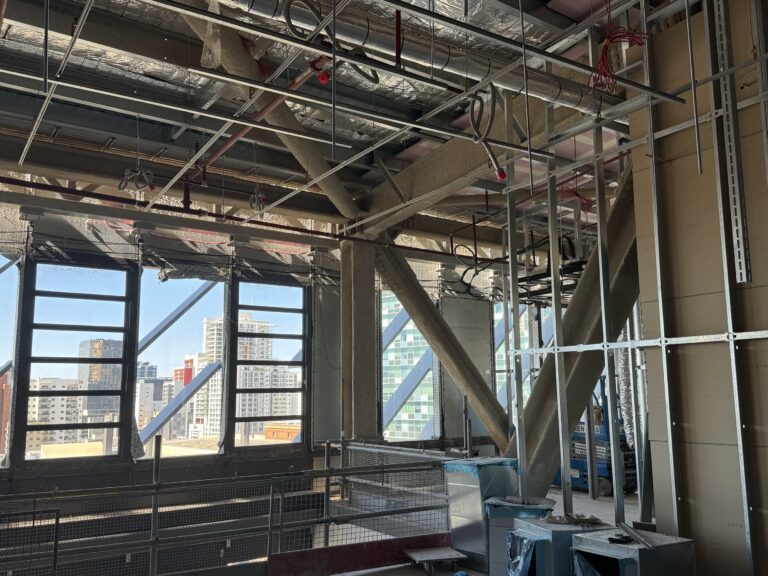
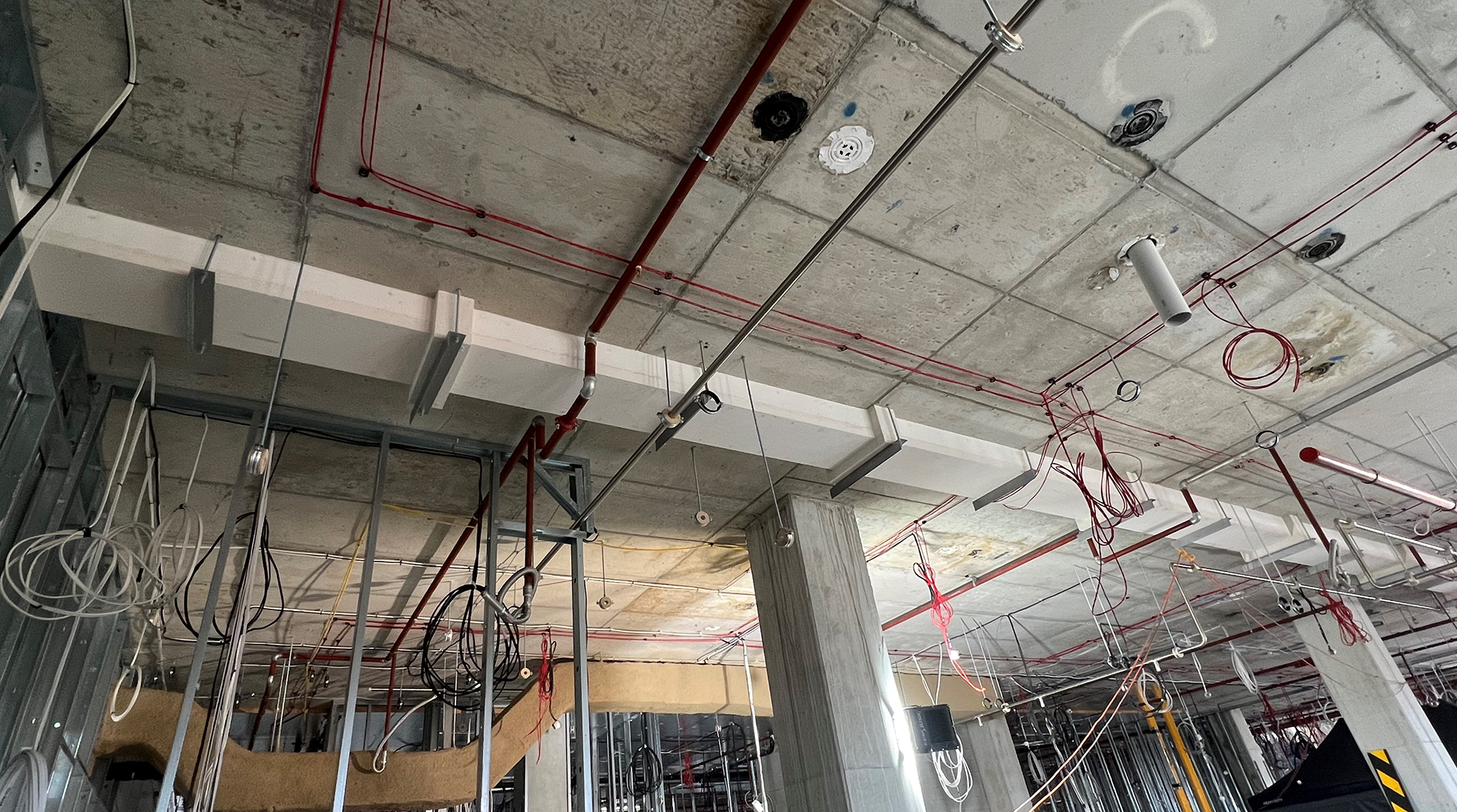
A good example is Progressive Materials’ involvement at St John of God Midland Hospital. While just one project, it reflects a broader industry trend toward detailed documentation, compliant product selection, and collaborative delivery. Fire protection products had to integrate seamlessly with services and finishes while meeting strict healthcare standards.
These lessons are now influencing other sectors, including education, aged care, and large mixed use developments.
How did fire protection products evolve in 2025?
Product selection in 2025 focused on reliability and simplicity. Specifiers favoured systems that were easy to install correctly and easy to inspect later.
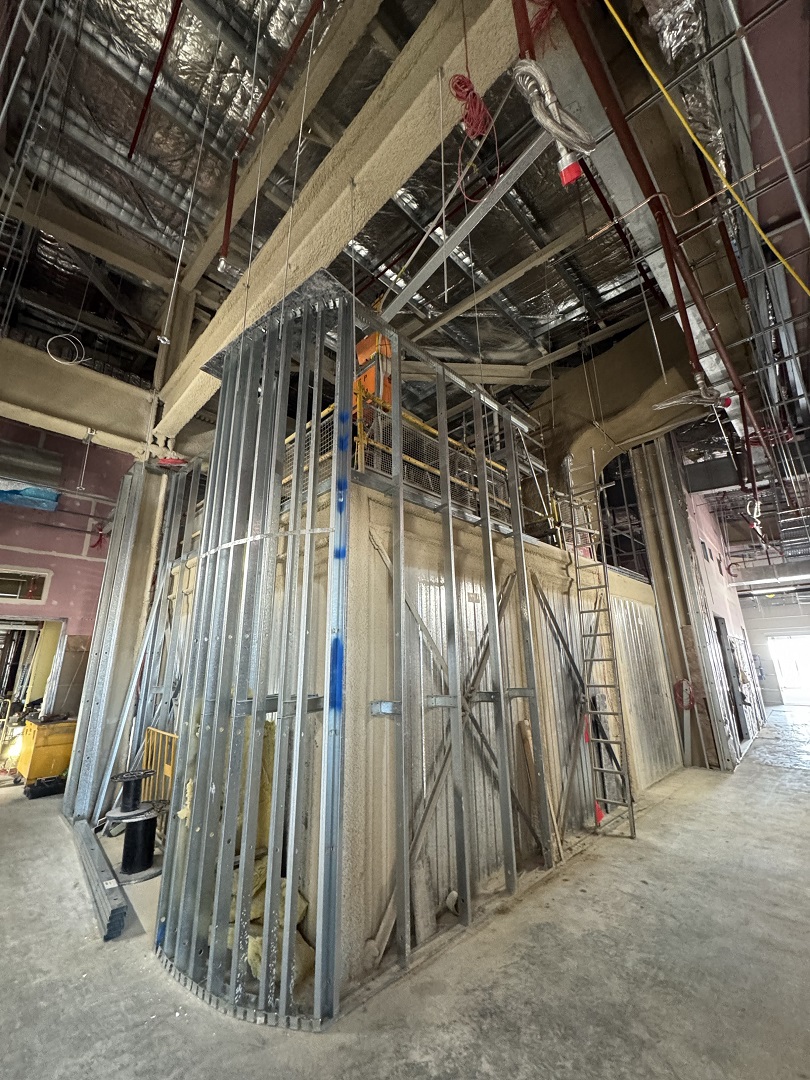
Sprays and coatings gained attention for their ability to protect steel elements without altering architectural intent. When used appropriately, fire protection sprays and coatings offered clean solutions for exposed structures in commercial and retail spaces.
Accessories also played a larger role than in previous years. Compatible fixings, sealants, and ancillary components reduced compatibility issues and helped maintain system integrity. This made fire protection accessories an important part of overall specifications.
What are architects and builders prioritising going into 2026?
Looking ahead to 2026, three priorities are emerging across the industry.
First, compliance transparency. Specifiers want clear evidence that systems meet Australian standards without ambiguity.
Second, buildability. Products must suit real site conditions, not just laboratory testing.
Third, coordination. Fire protection must align with services, structure, and finishes to avoid costly clashes.
These priorities favour suppliers who offer cohesive passive fire protection product ranges and practical project support. Progressive Materials’ approach reflects this shift, with a focus on consistency across systems rather than one off solutions.
Frequently asked questions about fire protection in commercial projects
What is passive fire protection?
Passive fire protection includes systems that slow the spread of fire and smoke, such as fire rated walls, penetration seals, and structural protection. These systems work without activation and form the backbone of building fire safety.
Why is passive fire protection more important now than before?
Stricter compliance requirements and more complex buildings mean errors are harder to correct later. Early integration reduces risk and improves project outcomes.
Are fire protection products different across industries?
Yes. Healthcare, education, retail, and hospitality all have different risk profiles and service layouts. Product selection must suit each environment.
How early should fire protection be considered in design?
Ideally from concept design. Early decisions improve coordination and reduce rework during construction.
What role does the supplier play in compliance?
Suppliers help ensure product compatibility, correct documentation, and system consistency. This support is critical in large commercial projects.
Conclusion: Preparing for the next phase of fire protection design
The lessons from 2025 are clear. Passive fire protection works best when it is planned early, specified clearly, and supported by reliable systems. As projects grow more complex, the role of coordinated fire protection products will only increase.
To explore a complete range of compliant, project ready solutions, view the full Progressive Materials offering here: