Key Insights
In commercial interiors, ceilings are doing more than ever. They’re expected to manage acoustics, allow ongoing access to services, and still deliver a clean, resolved architectural outcome.
That balance is where metal ceiling systems stand apart.
Across projects in WA, we regularly see metal ceiling challenges arise when ceilings are treated as a finish rather than a coordinated system. Acoustic performance suffers, access becomes difficult, and visual outcomes feel disconnected from the rest of the space.
This is where a system-based approach to architectural metal ceilings from Progressive Materials, using trusted SAS Metal Ceilings makes a measurable difference.
The Core Challenges in Commercial Ceilings
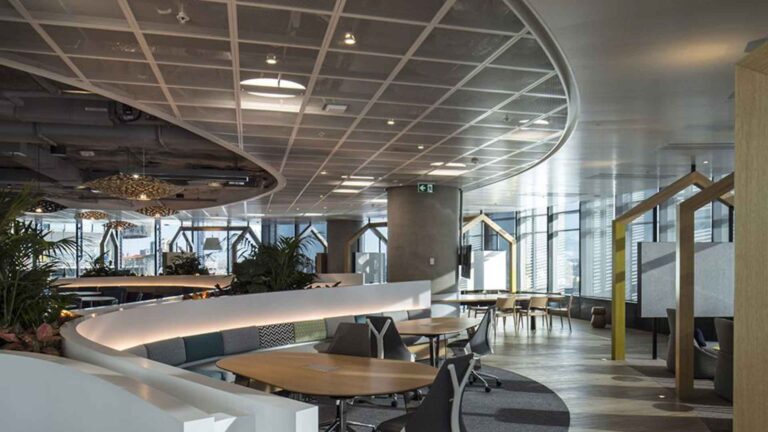
Acoustic Control Without Compromising Design
Open-plan environments, hospitality venues and public buildings all require acoustic control. But traditional solutions often rely on applied finishes or bulk treatments that limit design flexibility.
SAS International Acoustic metal ceilings address this differently:
- Perforated panels engineered for acoustic performance
- Acoustic backing integrated into the system
- Consistent visual finish across the ceiling plane
This allows designers to achieve both performance and aesthetic intent without layering materials.
Access to Services (Without Disruption)
Services coordination is one of the biggest constraints in ceiling design.
Mechanical, electrical, fire and data systems all need to sit above the ceiling, but they also need to be accessed regularly.
Traditional plasterboard ceilings create a trade-off:
- Clean appearance
- Cheaper
- Poor accessibility
- Ongoing maintenance disruption
SAS International Metal ceilings by Progressive Materials solve this through demountable systems:
- Panels can be removed and reinstalled without damage
- Access points are integrated, not retrofitted
- Maintenance becomes faster and less invasive
This is especially critical in:
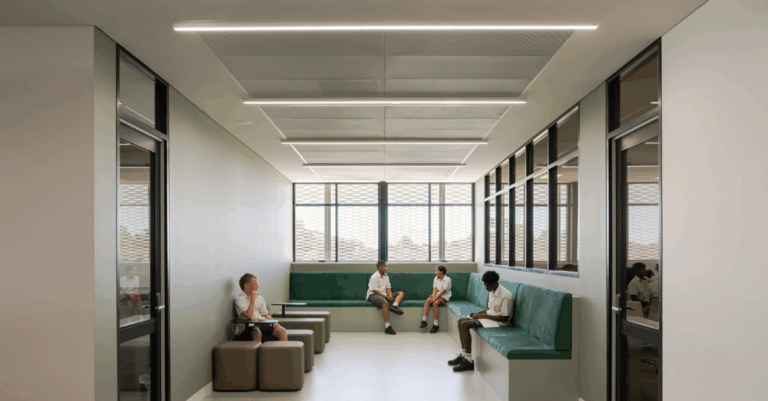
- Healthcare
- Education
- Commercial offices
- Transport infrastructure
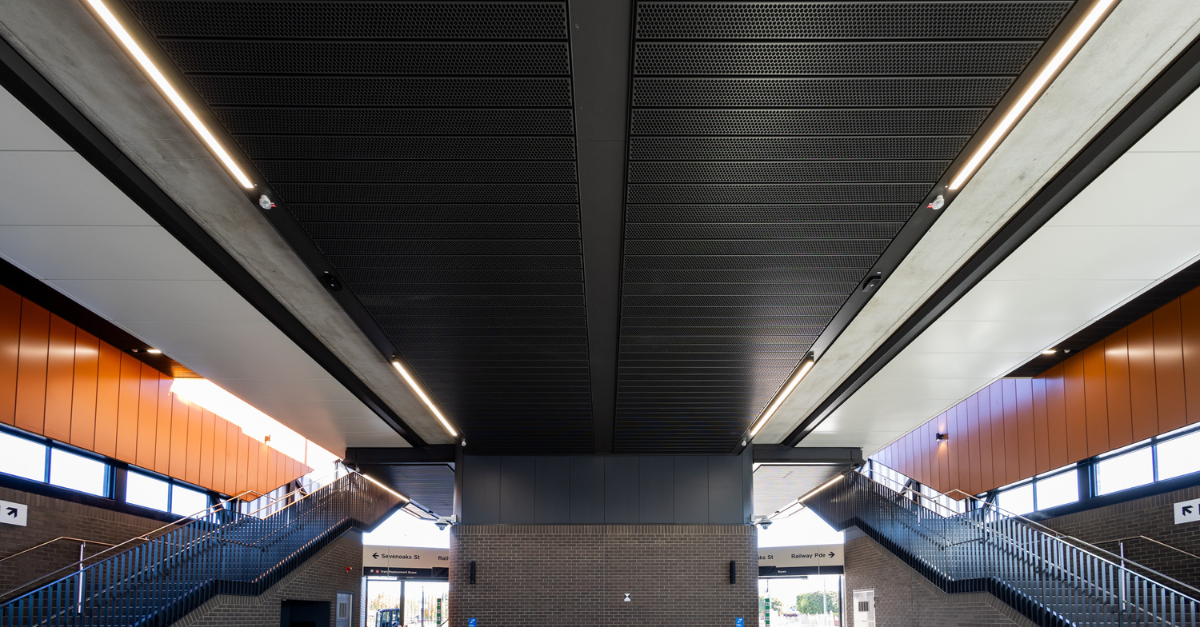
Maintenance Over the Life of the Building
Ceilings aren’t static.
Services change, upgrades happen, and access is required long after completion.
Metal ceiling systems are slightly more expensive but are designed for long term lifecycle performance:
- Durable finishes suited to high-traffic environments
- Replaceable panels rather than full ceiling removal
- Long-term consistency in appearance
System Selection: Choosing the Right Ceiling Type
Different project requirements call for different ceiling systems. The key is aligning performance, access and design intent from the start to eliminate metal ceiling challenges.
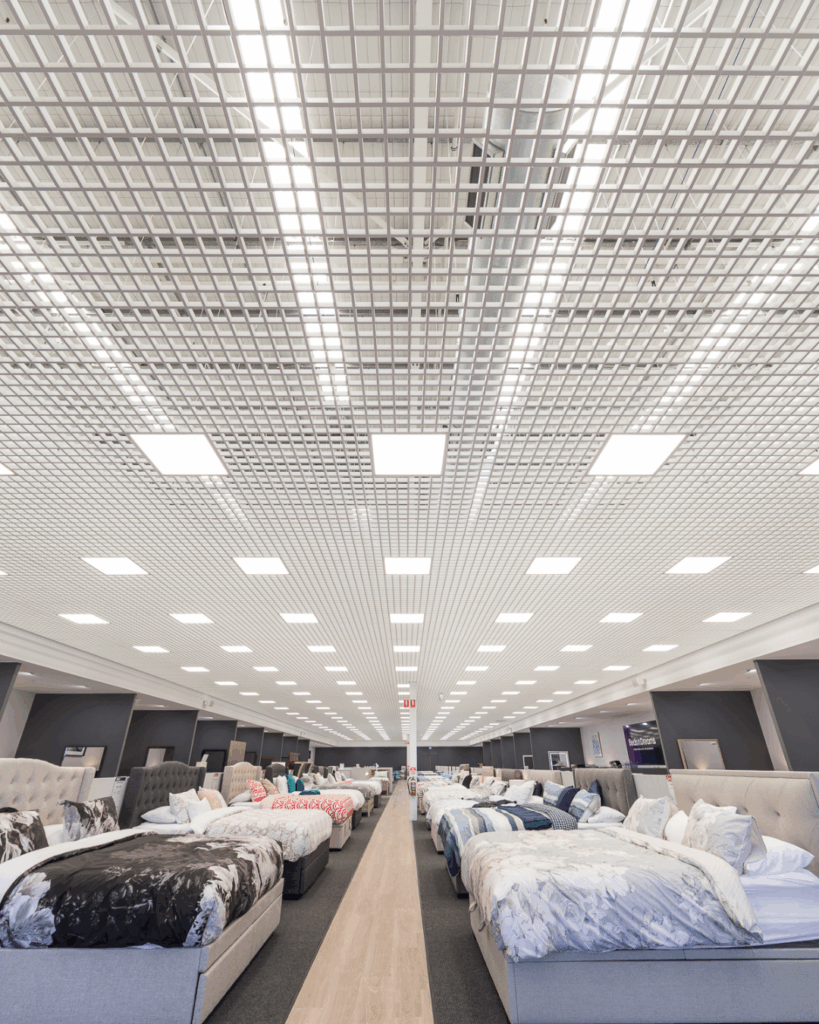
Open Cell Ceilings
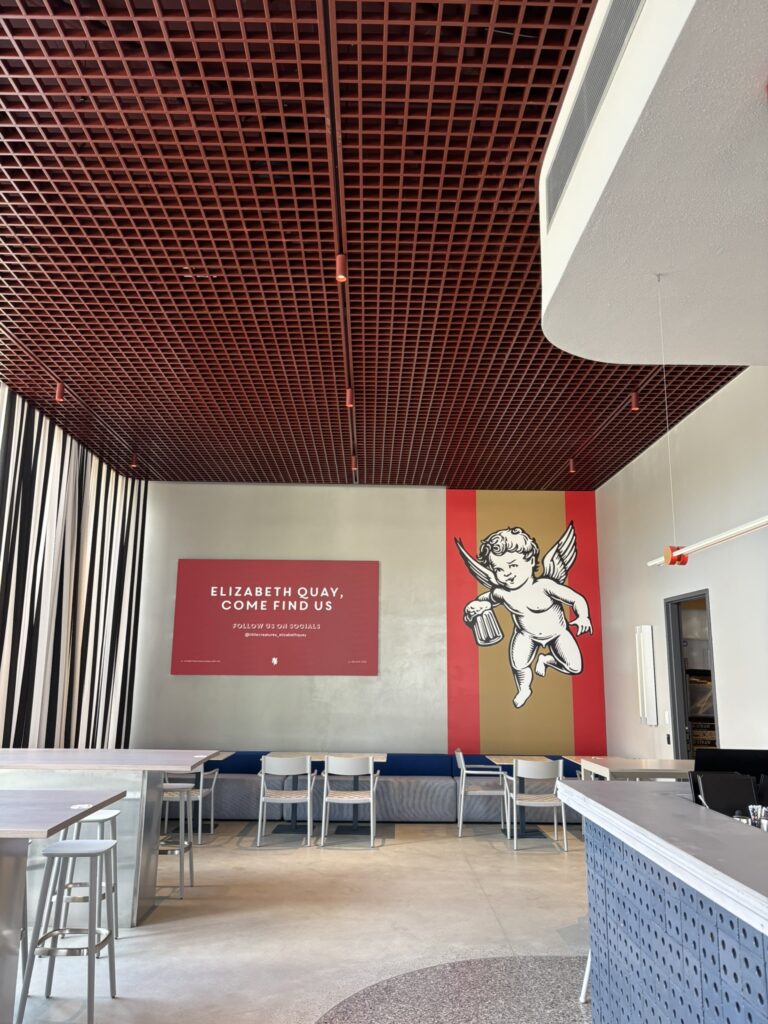
Open cell systems like SAS800 are widely used where exposed services are part of the design language.
They introduce structure without fully enclosing the ceiling.
Why they work:
- Maintain visual openness while organising the ceiling plane
- Allow full access to services above
- Ideal for exposed service environments
- Support coordinated layouts for lighting and sprinklers
This is where coordination becomes critical. Rather than competing elements, the ceiling, lighting and services are aligned into a single, considered framework.
Metal Pan Ceilings
Progressive Materials Metal pan ceilings are a go-to for projects requiring a more enclosed and refined finish.
Key benefits:
- High acoustic performance with perforation options
- Clean, consistent ceiling appearance
- Demountable panels for easy access
- Suitable for offices, healthcare and education
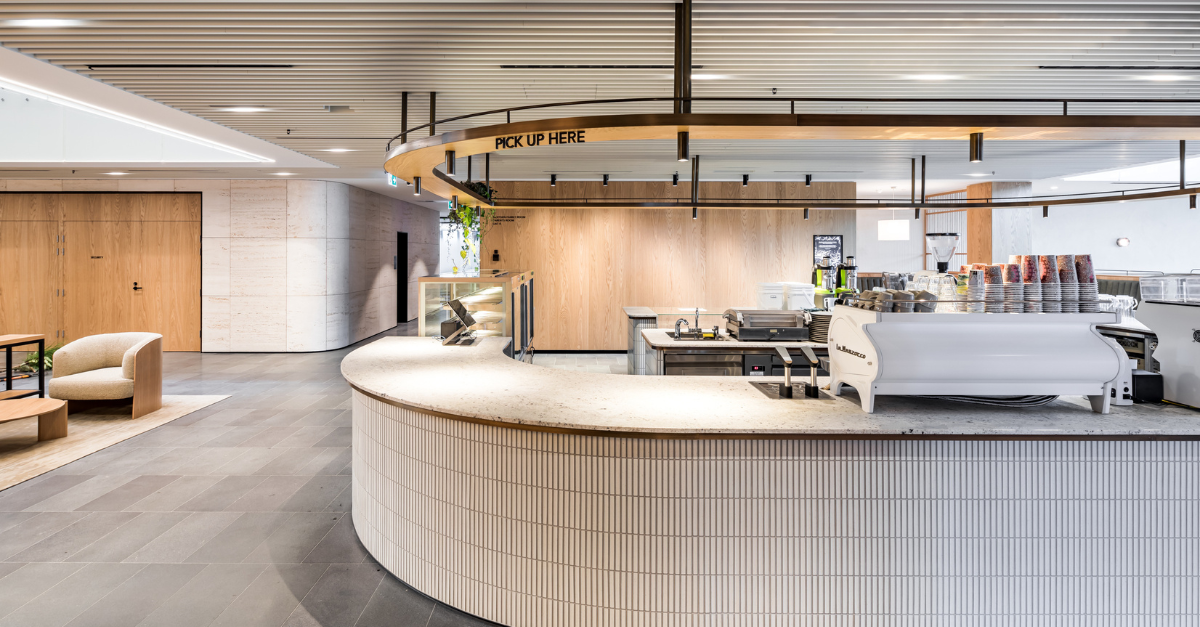
Linear Ceilings
Linear ceilings introduce direction and rhythm into a space.
Best suited for:
- Circulation areas
- Feature zones
- Spaces where visual flow is important
They also allow integration of services between blades, maintaining both access and visual clarity.
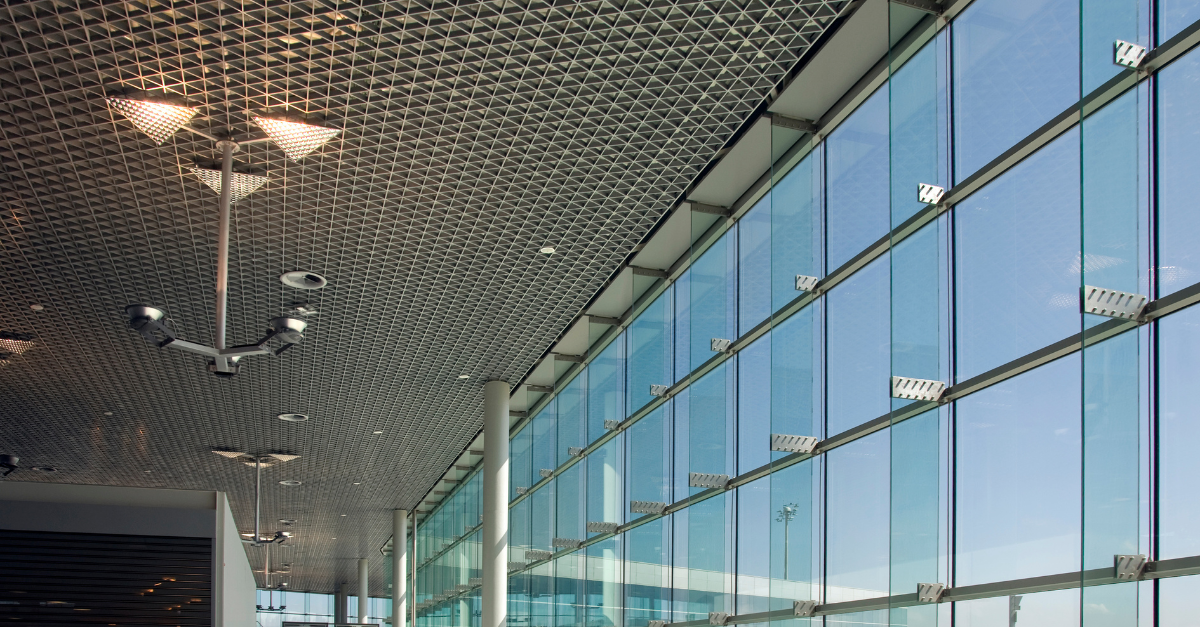
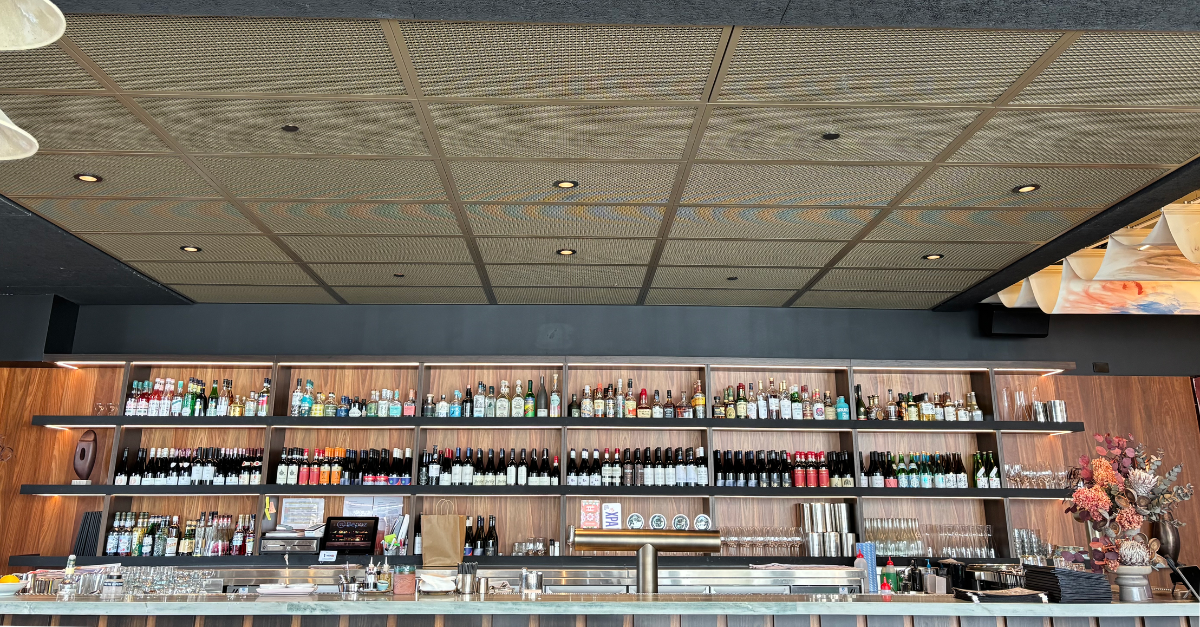
Mesh Ceilings
Mesh ceilings are typically used where design expression is a priority.
Advantages:
- Adds depth and texture
- Allows light and services to pass through
- Can be paired with concealed grid systems
- Strong feature ceiling application
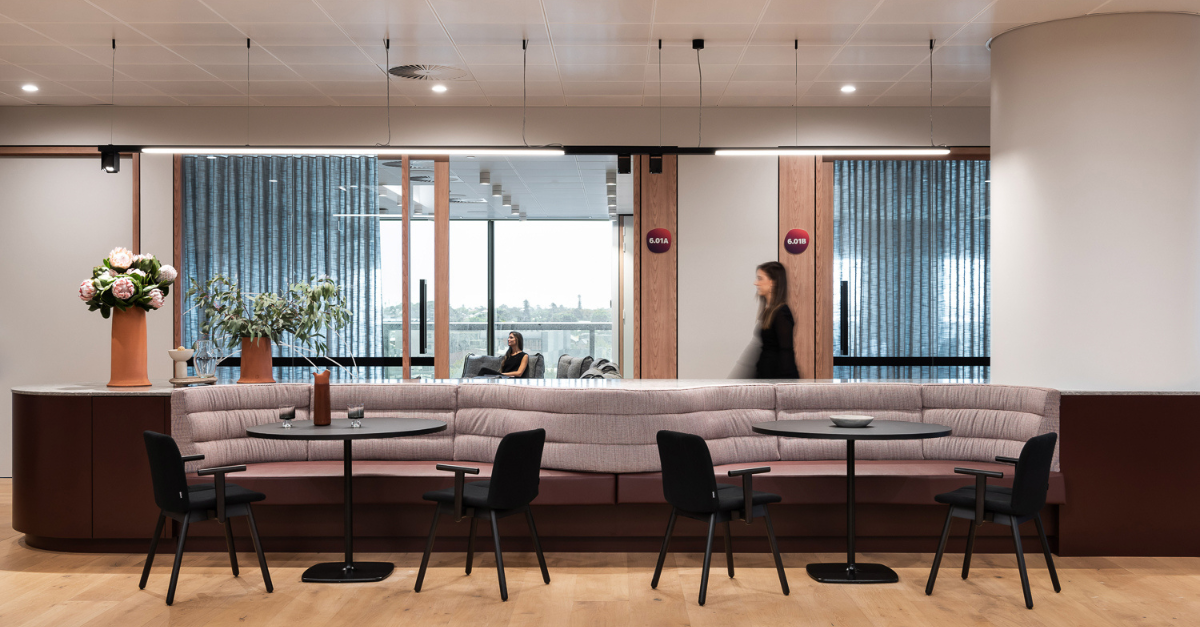
Integration Matters: Ceiling + Lighting + Services
One of the most overlooked aspects of ceiling design is integration.
A ceiling shouldn’t be working against lighting and services; it should be coordinating them.
When specifying metal ceiling systems with the guidance of Progressive Materials, this is resolved early:
- Lighting can be colour matched to the ceiling finish
- Services can be aligned within the grid or system layout
- Fixtures integrate cleanly without visual disruption
- The result is a ceiling that feels intentional, not layered.
This level of coordination is particularly effective in systems like open cell ceilings (SAS800) and custom metal ceiling solutions, where alignment and spacing define the overall outcome.
Why Early Coordination Changes the Outcome
Most ceiling issues don’t come from the product, they come from timing.
When ceilings are introduced late:
- Systems don’t align with services
- Access requirements are compromised
- Design intent is diluted
A system-led approach by Progressive Materials from the beginning allows:
- Correct ceiling type selection
- Coordination with services and lighting
- Integration of acoustic requirements
- Smooth installation with fewer delays
Metal Ceilings in WA: A System-Based Approach
For projects across WA, selecting the right metal ceiling system isn’t about choosing a product, it’s about resolving performance, access and design together.
At Progressive Materials, our spec team work closely with architects, designers and builders to eliminate metal ceiling challenges and:
- Align ceiling systems with project requirements
- Support specification with tested, proven systems
- Coordinate across design, supply and installation
From acoustic metal ceilings to open cell, linear, mesh and metal pan ceilings, the focus remains the same: A ceiling that performs, integrates and holds its design intent over time.