Key Insights
When specifying passive fire protection for commercial and high-risk buildings, the performance of fire boards under extreme conditions is critical.
At Progressive Materials, we partner with Promat By Etex to deliver fire-rated boards and system solutions that are tested, certified, and proven to perform in the toughest environments.
This blog explores how fire boards behave in extreme conditions, how they are tested, and what specifiers and contractors should know when selecting the right system for their project.
How Fire Boards Perform in Extreme Conditions
The Role of Fire Boards in Passive Fire Protection
Fire boards form a crucial part of any passive fire protection system. They are designed to protect structural elements such as steel, walls, ceilings, and floors from direct flame and high temperatures during a fire. When correctly specified and installed, they maintain the fire resistance level (FRL) of the building and provide critical time for evacuation and firefighting.
Progressive Materials supplies the full range of Promat fire protection products including fire-rated boards, intumescent coatings, sprays, and sealants, all engineered for compliance and long-term durability in Australian conditions.
Testing and Certification: How Fire Boards Are Proven
All Promat systems undergo rigorous testing in accredited laboratories in line with the National Construction Code (NCC) and relevant Australian Standards. The testing process goes beyond basic compliance to simulate real-world scenarios, including prolonged flame exposure, thermal shock, and system stress under load.
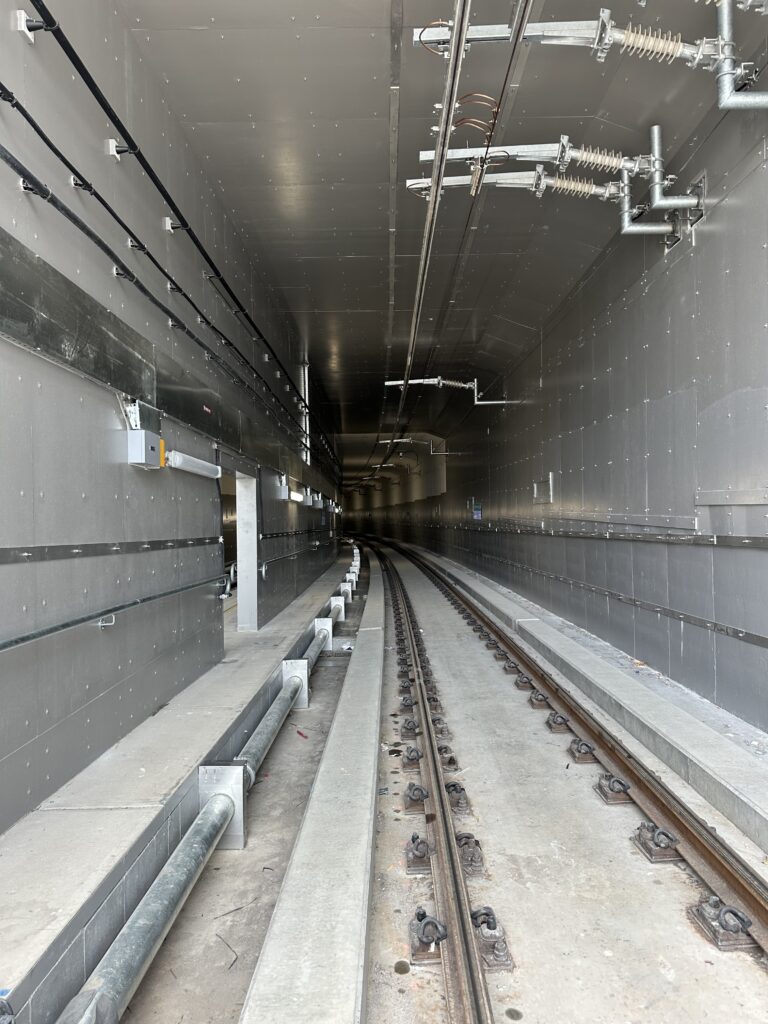
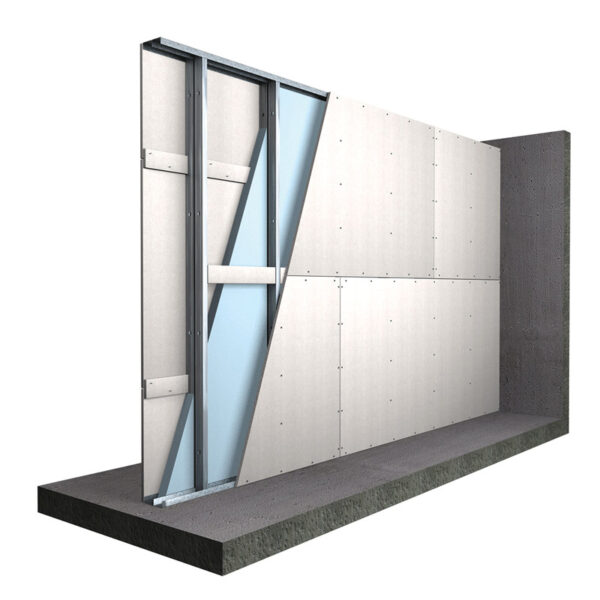
Testing covers the full system assembly (not just the board itself), including joints, fixings, service penetrations, and interfaces. This ensures performance is verified for complete wall, ceiling, or structural protection systems rather than isolated components.
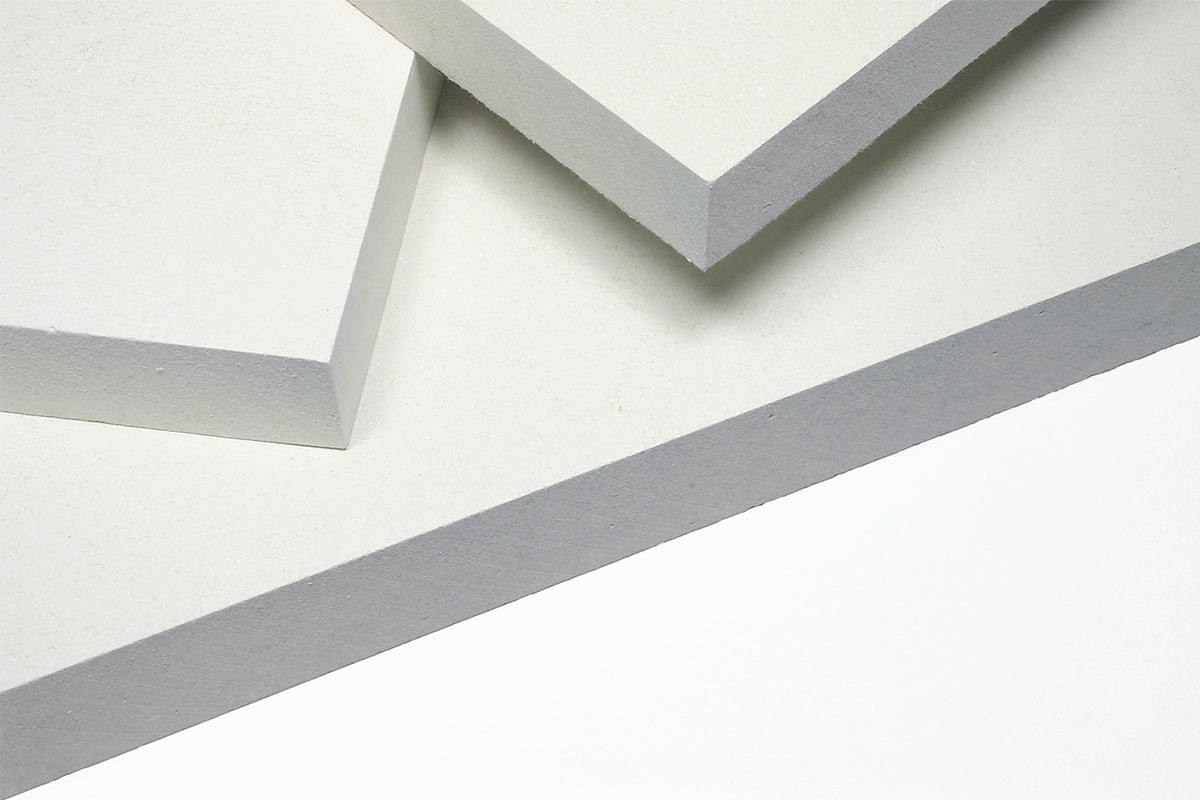
Promat fire boards are non-combustible and designed for long-term durability. They maintain their integrity, insulation, and strength even when exposed to sustained high temperatures, ensuring consistent protection throughout the fire duration.
Promat also develops advanced microporous board technologies that deliver high levels of fire resistance while remaining lightweight and thin. These are especially valuable in confined spaces or architectural applications requiring slim profiles without compromising fire performance.
Performance in Extreme Conditions
Heat Exposure and Structural Protection
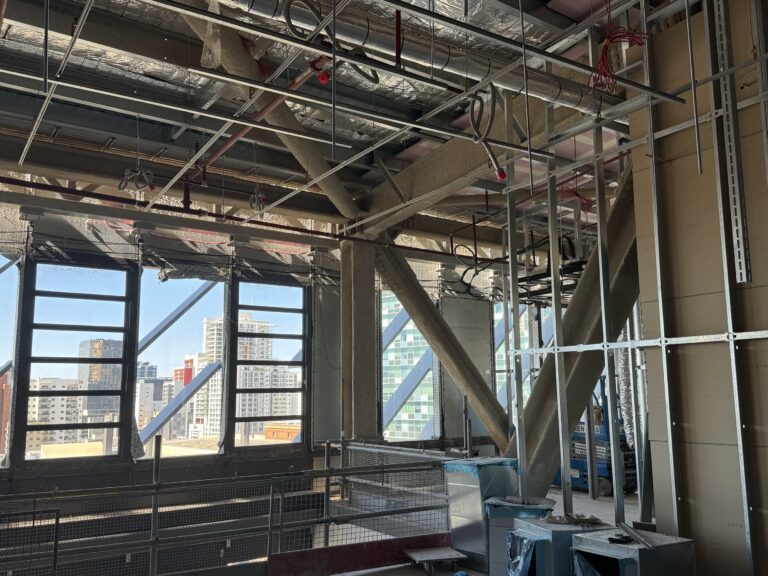
When structural steel is exposed to fire, its load-bearing capacity decreases significantly as temperature rises. Fire boards slow this temperature increase, insulating the substrate and preventing early structural failure. Combined with coatings and sprays, board systems maintain the structural integrity of columns, beams, and enclosures under intense heat.
Penetrations, Joints and Weak Points
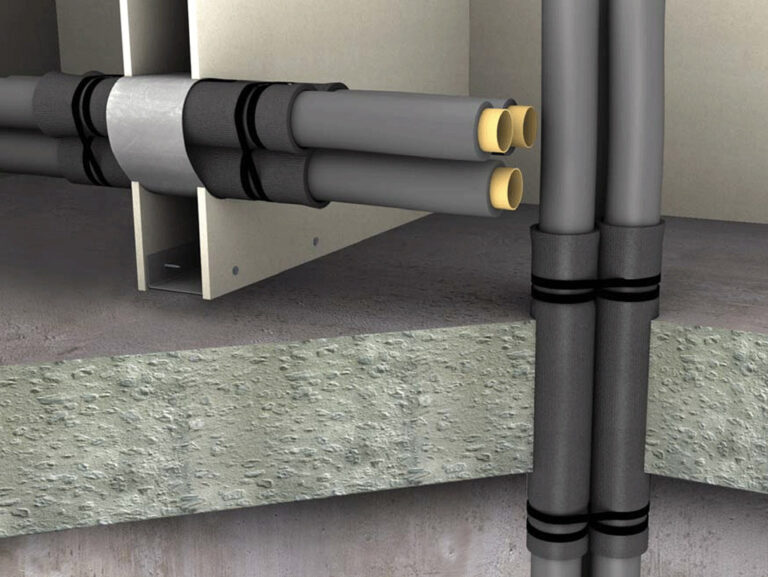
Service penetrations are common weak spots in fire-rated assemblies. Even the most durable boards can fail if gaps, joints, or penetrations are not properly detailed. Tested fire board systems account for these variables, ensuring that the entire assembly (not just the board) meets the FRL requirement.
Durability and Longevity
Extreme conditions aren’t limited to fire itself. Buildings are exposed to vibration, moisture, thermal cycling, and ageing long before a fire event occurs. Promat boards are engineered for durability under these conditions, ensuring they continue to perform reliably over the life of the building.
Compatibility and Installation Quality
A fire board’s effectiveness depends on how well it integrates with other protection systems such as sealants, coatings, and fire-stopping products. Early design collaboration with Progressive Materials ensures proper system compatibility, detailing, and installation support – preventing performance gaps and compliance risks.
Application in Modern Construction
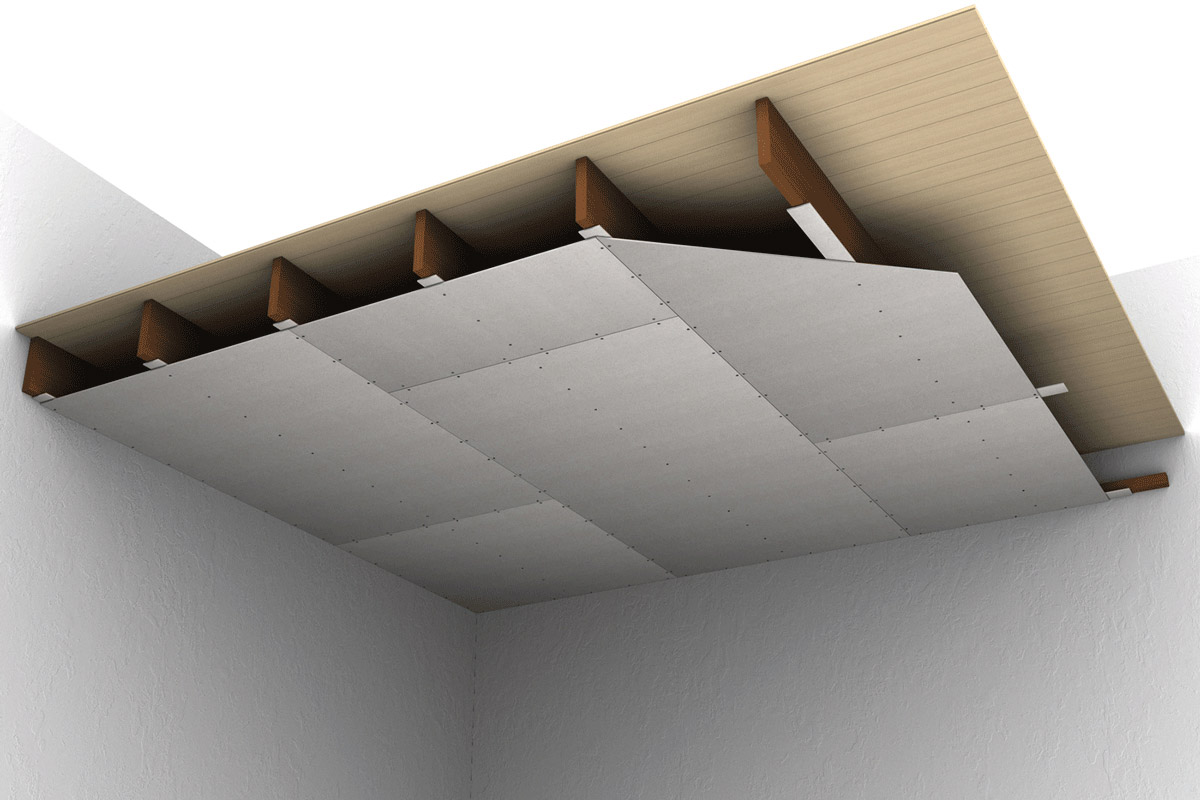
With the rise of lightweight and modular construction, fire boards must perform in slimmer, more efficient assemblies. Promat systems are specifically developed for these applications, providing certified performance without adding unnecessary mass or complexity.
Specifier’s Checklist for Fire Boards in Extreme Conditions
To ensure long-term safety and compliance, architects, engineers, and builders should consider the following when specifying fire boards:
- Use non-combustible boards tested to the required FRL duration (60, 90, 120 minutes or more).
- Select assemblies tested as a complete system – board, fixings, framing, and joints.
- Confirm certification from an accredited test authority compliant with the NCC and Australian Standards.
- Evaluate durability factors, including moisture resistance, vibration, and long-term ageing.
- Ensure system compatibility with coatings, fire-stopping, and duct protection products.
- Verify installation requirements, such as fixing spacing, joint details, and penetrations.
- Engage with a specialist supplier like Progressive Materials early in design to ensure specification accuracy and installation guidance.
Why Progressive Materials and Promat Are the Right Choice
By combining Promat’s internationally certified systems with Progressive Materials’ local technical expertise, project teams gain a fully supported solution from specification to installation.
Progressive Materials provides:
- Local supply of Promat’s full fire-rated board range.
- Technical support for compliance and system selection.
- Coordination across related fire protection products, including coatings and fire stopping.
- Trusted performance backed by certification and extensive testing.
Together, Promat and Progressive Materials provide the assurance that your passive fire protection systems will perform when it matters most, in extreme conditions.
Conclusion
In fire events, How Fire Boards Perform in Extreme Conditions is what separates compliant systems from catastrophic failure. Fire boards play a vital role in maintaining structural integrity and preventing the spread of fire and heat through the building envelope.
By selecting non-combustible, rigorously tested systems such as Promat boards and partnering with Progressive Materials for specification and supply, designers, engineers, and builders can ensure their fire protection strategy is durable, compliant, and proven to perform.