Key Insights
Modern projects need materials that perform under pressure, adapt to creative concepts, and hold long term value.
Why Modern Architects Are Choosing Metal Ceilings
Why are architects turning toward metal ceiling design?
Why choose metal ceilings? Architects are choosing metal ceiling design because it aligns with the future of commercial architecture.
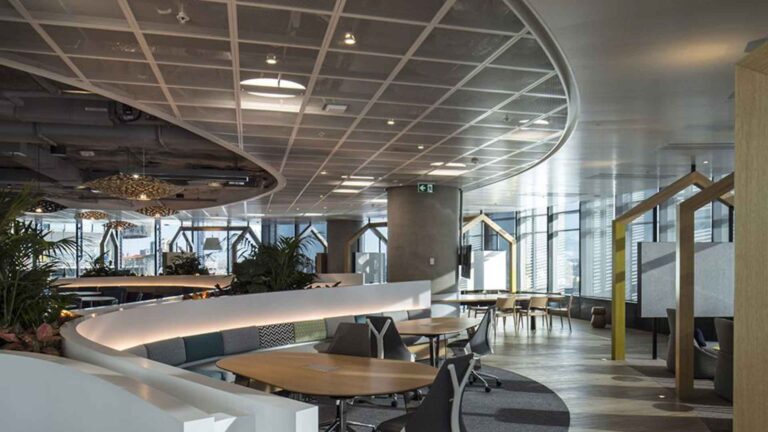
Metal ceilings offer a mix of durability, precision, and aesthetic control that makes them ideal for complex environments like schools, terminals, retail centres, and cultural spaces.
Metal ceiling systems also support cleaner visual lines, integrated lighting, and acoustic enhancements that suit open plan design. With sustainability becoming a major selection driver, the recyclability and longevity of metal products also play a strong role.
If you’re comparing options, our ceiling range covers all major formats, including metal pan ceilings, linear ceilings, expanded mesh, open cell, and acoustic rafts.
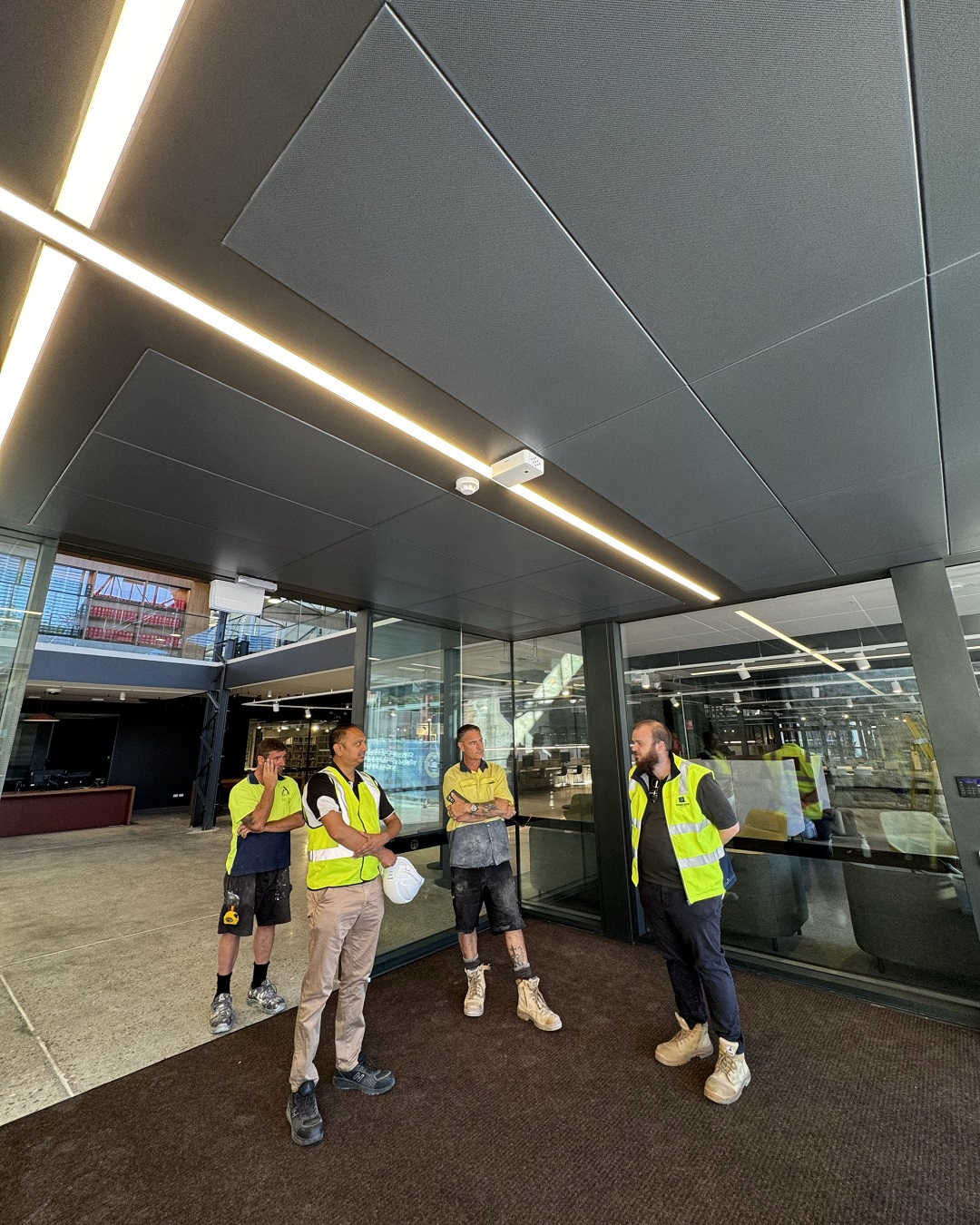
What are the main benefits of using metal ceilings in commercial projects?
Metal ceilings offer several advantages that appeal to architects designing future ready buildings:
Design freedom
Metal allows crisp detailing, variable forms, custom perforations, and integration with services. This gives architects flexibility to create unique commercial ceiling design outcomes.
Durability and longevity
Metal withstands high traffic, cleaning, moisture, and shifting temperature conditions. This makes it suitable for airports, schools, and transport hubs.
Acoustic capability
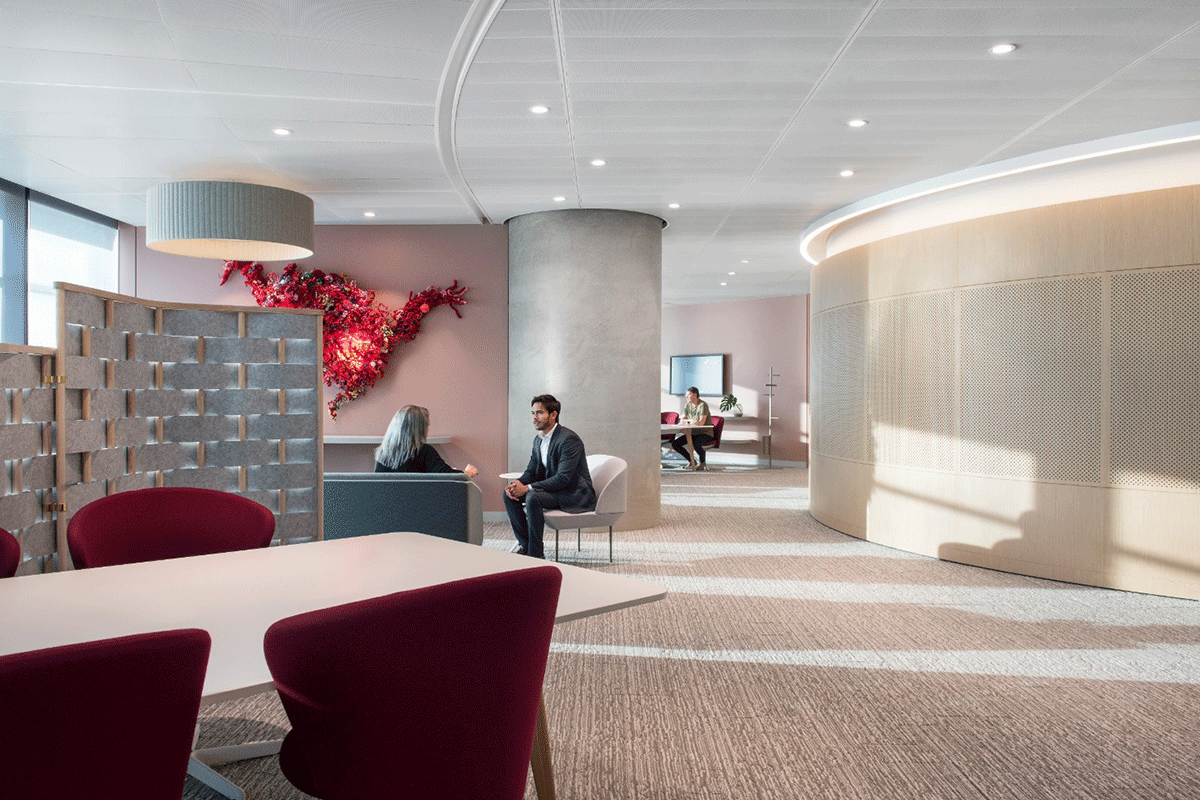
Paired with acoustic pads, perforated systems help control reverberation. This is why metal is often selected for learning environments, hospitality venues, and open offices.
Sustainability
Most metal ceiling products are recyclable and have a long life cycle, reducing replacement frequency.
Airflow and services access
Systems like open cell and expanded mesh support better ventilation, lighting integration, and access for maintenance.
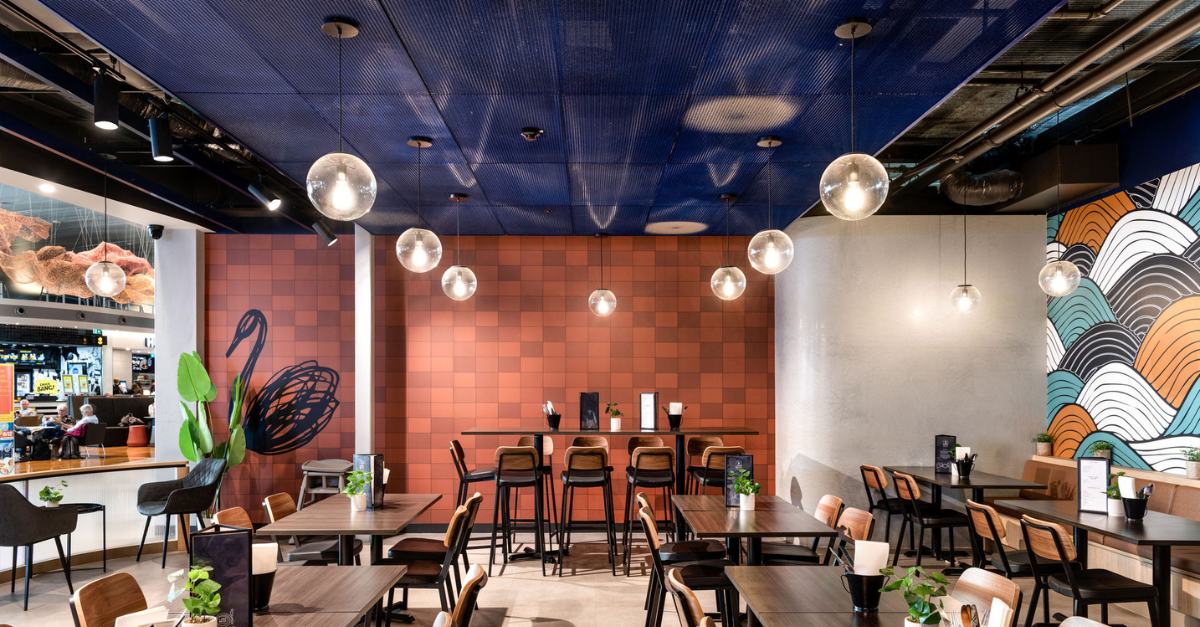
What types of metal ceiling systems are architects choosing today?
Architects are selecting systems based on both aesthetics and performance. Here is a quick overview of the most common metal ceiling design ideas being specified:
Metal pan ceilings
These suit offices, airports, corporate fitouts, and educational spaces where a clean, uniform surface matters. Metal pan ceilings deliver strong acoustic potential when perforated and backed, and they allow easy access to services.
Explore metal pan ceiling products
Linear ceilings
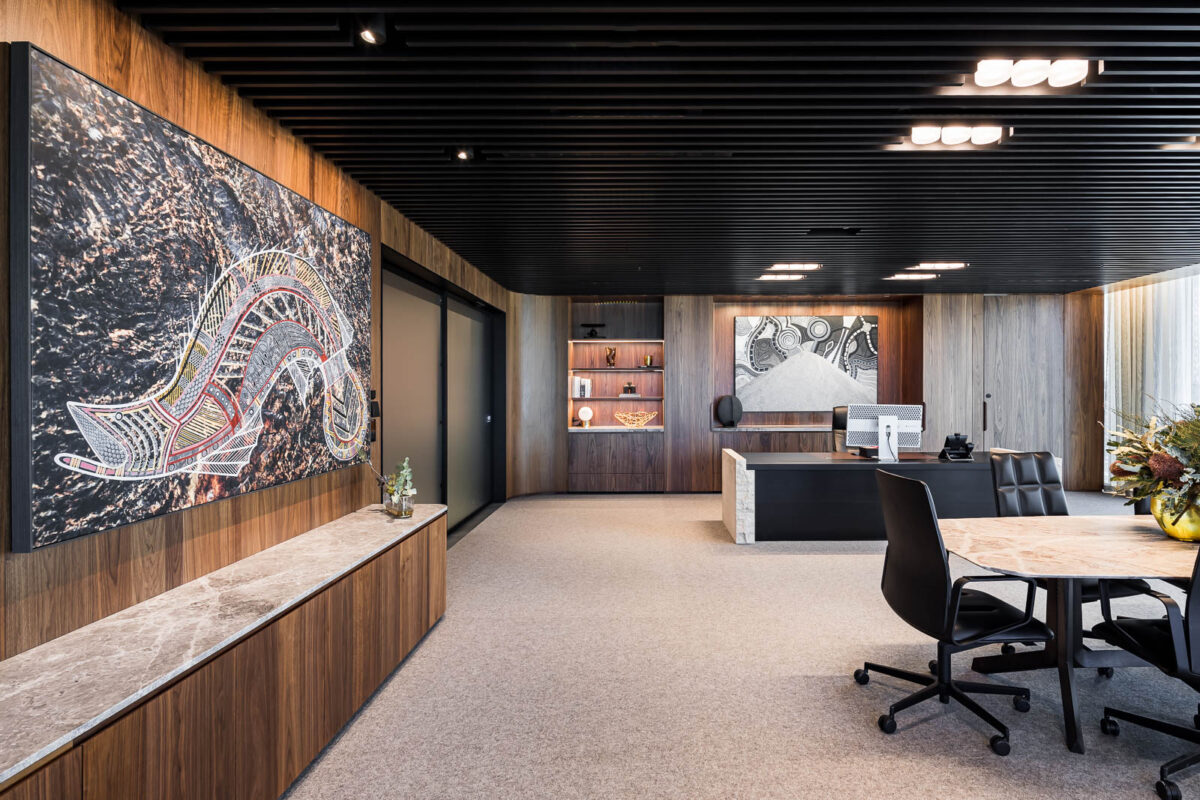
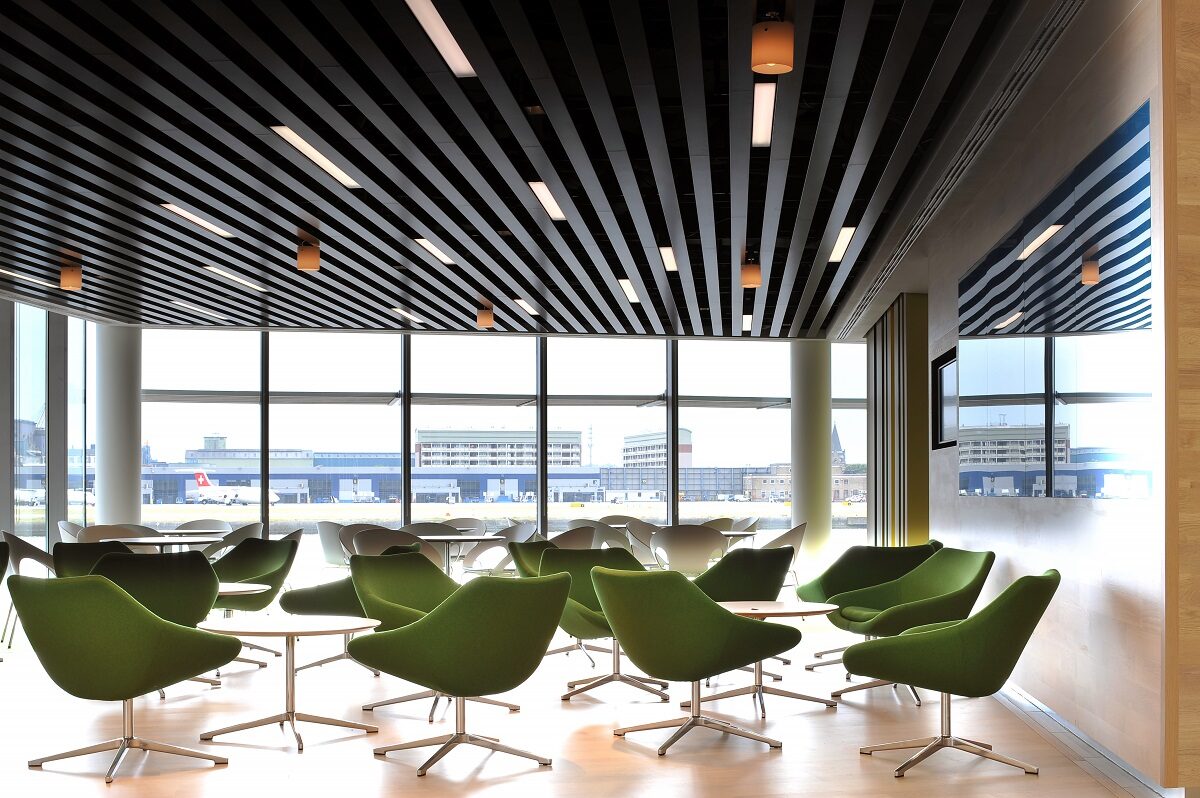
Linear formats emphasise direction and movement, which suits corridors, foyers, retail spaces, and high impact entries. They’re often selected for projects wanting a contemporary, refined look.
Explore linear ceiling products
Expanded mesh ceilings
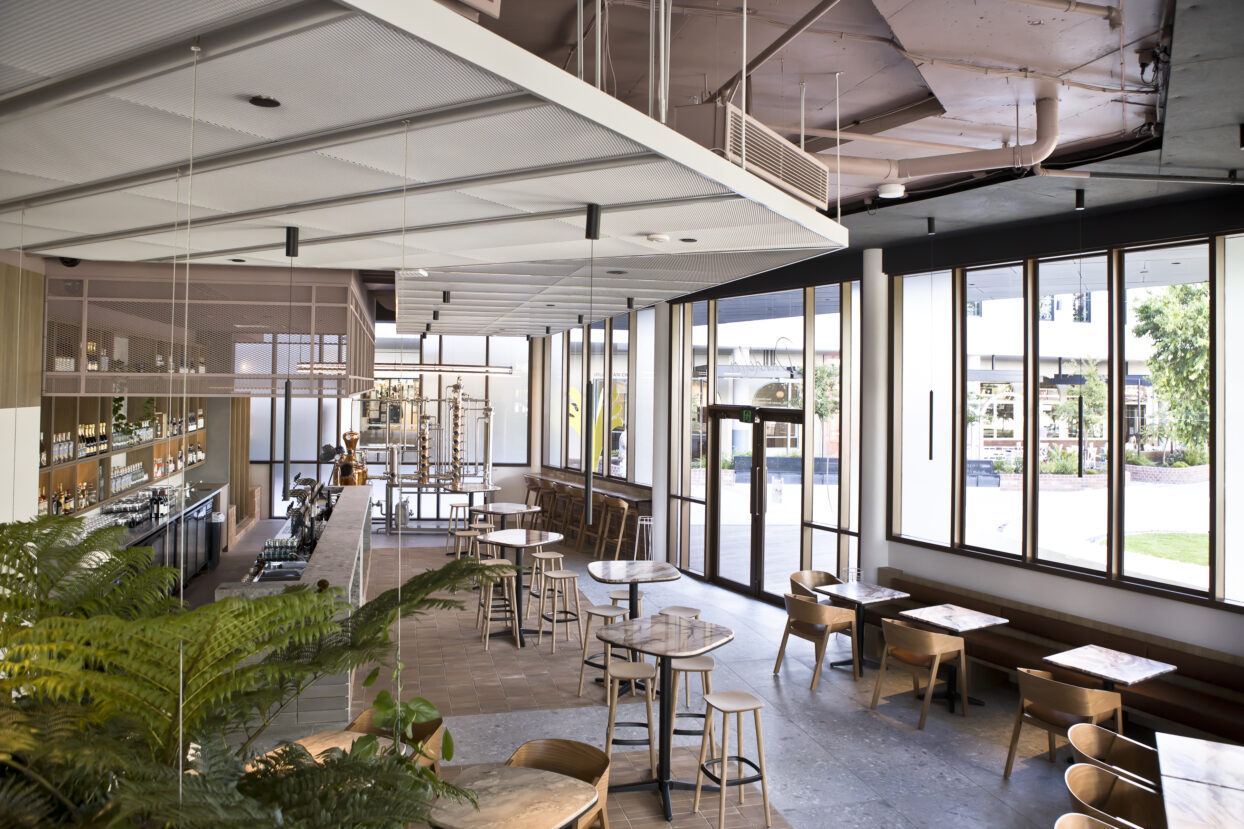
Expanded mesh creates dynamic depth, airflow, and a sculptural effect while still delivering acoustic control. Architects choose it for hospitality, retail, and infrastructure projects that need a visually striking ceiling.
Explore expanded mesh ceiling products
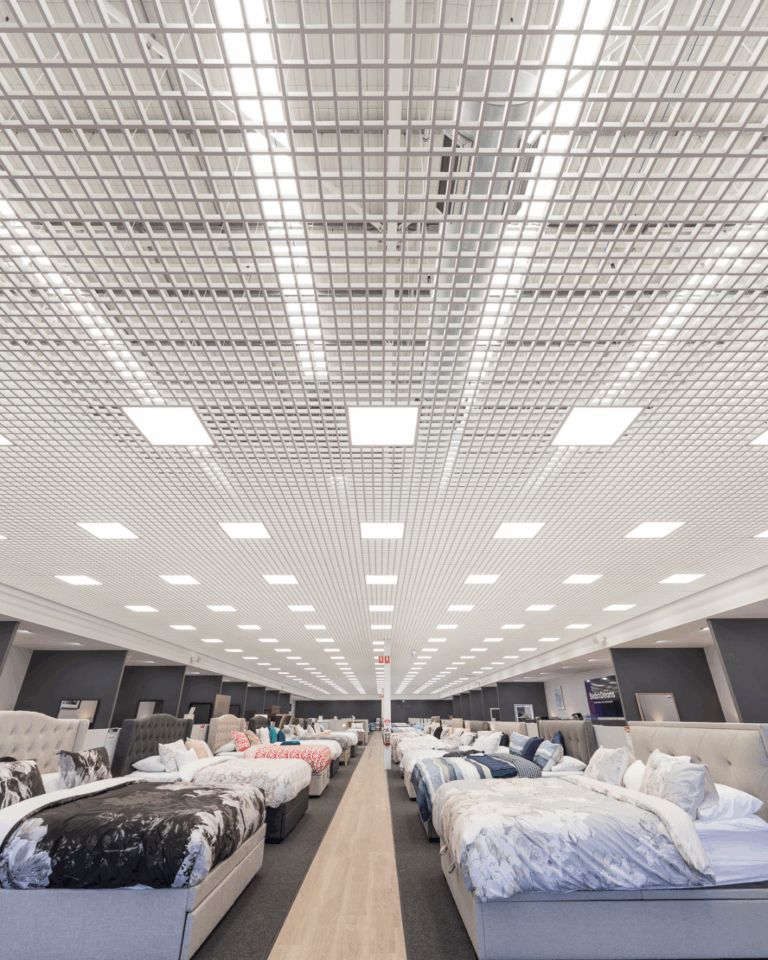
Open cell ceilings
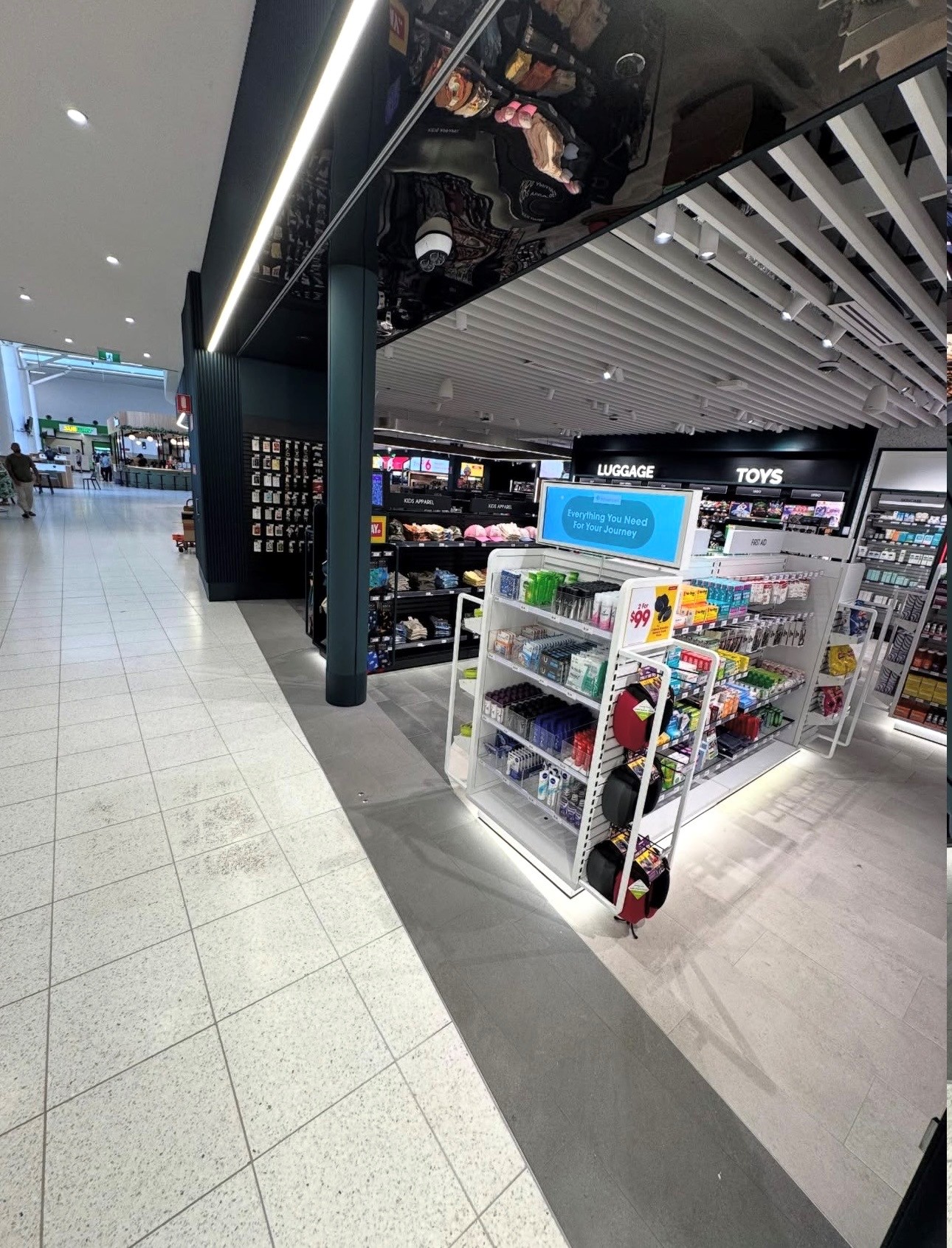
These create a lightweight grid pattern that reduces echo while keeping the ceiling visually open. They’re used in large format retail, terminals, and education buildings where light and airflow matter.
Explore open cell ceiling products
Acoustic rafts
Acoustic rafts help target noise control without covering the full ceiling, which suits hospitality, flexible workspaces, classrooms, and open learning zones.
Explore acoustic raft ceiling products

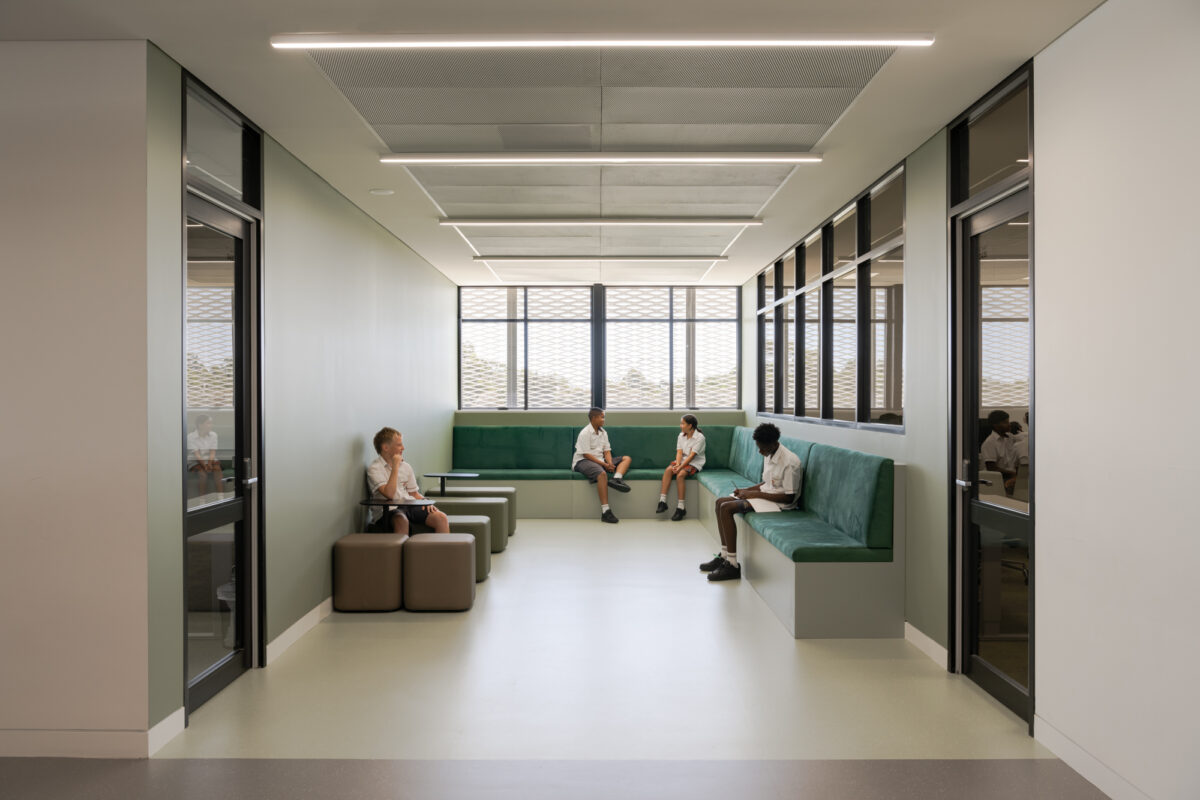
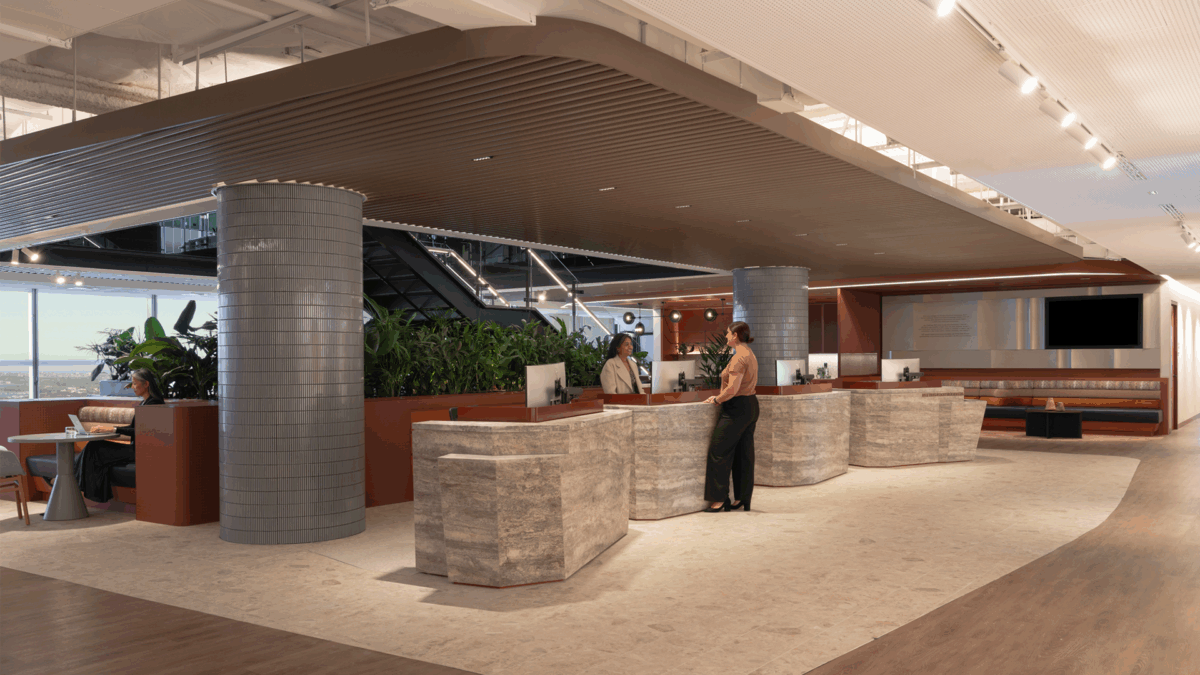
Are metal ceilings good for acoustics?
Yes, metal ceilings can perform extremely well acoustically. Perforated metal panels paired with acoustic insulation soften sound and reduce echo, which is essential in open plan environments.
Metal systems are often chosen over fibre tiles for projects that require consistent long term performance. They do not sag, discolour, or absorb moisture, which is important in humid areas like transport concourses or hospitality spaces.
Which metal ceiling design is best for different industries?
Architects often ask which ceiling system suits a particular project type. Here is a simple guide on why choose metal ceilings:
Airports and transport hubs
Metal pan, linear and expanded mesh systems handle operational stress, airflow, and maintenance access. They also support strong wayfinding lines.
Retail centres
Expanded mesh and open cell create visual impact, manage noise, and support integrated lighting.
Hospitality
Linear ceilings and acoustic rafts help control ambience while delivering a warm, modern aesthetic.
Education
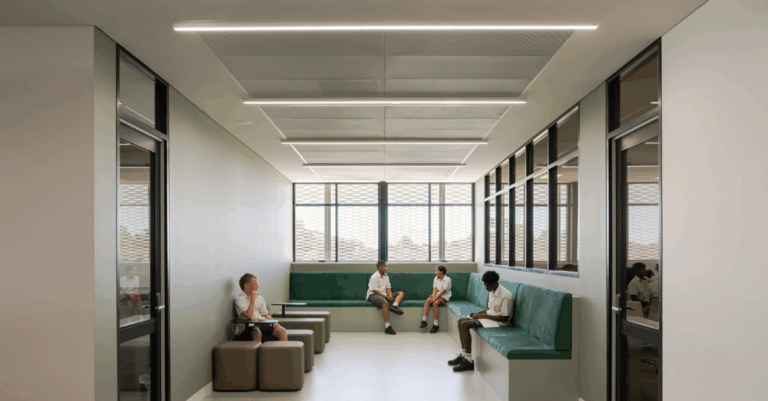
Open cell and perforated linear systems help reduce reverberation and maintain clarity in teaching spaces.
Workplace
Metal pan or acoustic rafts support focus, reduced noise transfer, and functional access to services.

Frequently asked questions about metal ceiling design
Are metal ceilings suitable for modern commercial architecture?
Yes. Metal ceilings align with current design trends, including open plan layouts, high durability finishes, and integrated lighting and services. Their ability to create clean lines appeals to design conscious architects.
Are metal ceilings soundproof?
Metal ceilings are not soundproof on their own, but they can deliver excellent acoustic absorption when perforated and backed with insulation. Acoustic rafts also provide strong noise control in key areas.
How long do metal ceilings last?
Metal ceilings can last several decades when maintained correctly. Their resistance to warping, moisture, and impact makes them more reliable than many traditional materials.
Are metal ceilings suitable for schools or learning environments?
Yes. Their durability, hygiene benefits, and acoustic control make them ideal for classrooms, libraries, and multipurpose learning spaces.
Which metal ceiling type works best for a modern look?
Architects often choose linear or expanded mesh ceilings for projects seeking a contemporary, high impact design. These systems pair well with minimalist interiors and open structures.
Conclusion: Metal ceilings are shaping the future of commercial ceiling design
Metal ceilings are rising in popularity because they meet the needs of modern architecture: durability, sustainability, acoustic performance, and creative freedom. They help shape commercial spaces that feel better, look sharper, and endure longer.
Architects exploring innovative ceiling solutions can browse the full SAS International by Progressive Materials range here: Metal Ceilings Range

- Open Plan Offices and Metal Ceilings: Managing Noise Without Closing Space - 17 June 2026
- What is Valchromat? A Complete Guide to Coloured MDF in Australia - 30 April 2026
- EQUITONE Specification Guide - 18 March 2026